145%: a tariff that stops trade
Washington has raised duties on Chinese imports to 145 per cent, and Beijing has answered with levies of 125 per cent on American goods. The trade fight between the world's two largest economies has reached absurd heights. At these rates tariffs no longer raise much revenue. They work as commercial blockades, and they will stop most trade between the two countries.
Ten days of escalation
The numbers climbed in a rapid tit-for-tat. America had already added 20 per cent to duties on Chinese goods this year, citing China's role in the fentanyl trade. The reciprocal tariffs announced on April 2nd added 34 per cent more. China matched that, America responded, and within a week the reciprocal rate on Chinese goods had reached 125 per cent, on top of the earlier levies. Beijing matched it again and signalled that it would not bother responding to further increases, since trade was already priced out.
China was also the only major partner left out of the 90-day pause granted to others on April 9th. Then, late on April 11th, Washington exempted smartphones, computers and some other electronics from the reciprocal tariffs, though not from the earlier 20 per cent. The exemption covers a large share of what America buys from China by value, and officials have said that separate duties on semiconductors and electronics are coming. The headline rate therefore overstates the tariff on some goods today while understating the uncertainty about all of them.
Nobody can pay 145 per cent
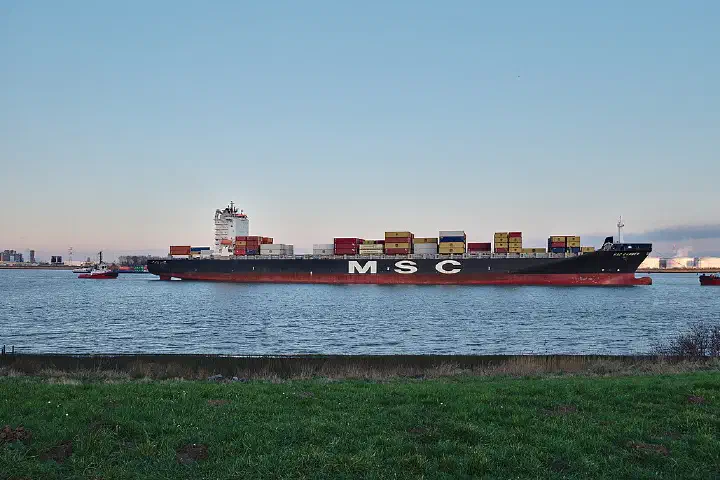
With a duty of 145 per cent, ordinary commerce stops. No importer of consumer electronics, no textile wholesaler and no parts maker can absorb or pass on a levy that more than doubles the landed cost of its goods. Supply chains do not adjust at that level. They close. Trade volumes between America and China are likely to fall off a cliff, leaving container ships idle and transpacific shipping lanes half empty.
The arithmetic shows why. A toy that costs a retailer $10 at the Chinese factory gate now carries $14.50 of duty before freight, insurance or the retailer's own margin, so the landed cost is roughly two and a half times what it was. Retailers that planned their autumn and holiday ranges months ago must either find another supplier, cancel orders, or leave shelves thinly stocked. Freight forwarders are already reporting cancelled bookings on transpacific routes.
Why revenue falls rather than rises
Tariffs raise money only when goods keep crossing the border. At moderate rates, most trade continues and the Treasury collects the duty. At prohibitive rates, imports collapse and so does revenue. America bought more than $400 billion of goods from China last year; if most of that trade stops, the duties collected on it fall towards zero. The same logic applies to China's tariffs on American exports, which are smaller in value and dominated by farm goods, aircraft, chips and energy.
The closest historical parallel is not a tariff at all but Thomas Jefferson's Embargo Act of 1807, which barred American ships from sailing to foreign ports in an attempt to force Britain and France to respect American neutrality. Exports collapsed, New England's ports emptied, smuggling flourished, and the policy was repealed within fifteen months having changed little in European behaviour. The Smoot-Hawley tariffs of 1930 are the more familiar warning: they raised duties on thousands of goods, provoked retaliation and contributed to a steep contraction in world trade during the Depression.
Some inputs have no substitute
Many American industries rely on specialised Chinese inputs, from active pharmaceutical ingredients to processed rare earths, and new sources cannot be built in a few months. Rationing, idle production lines and shortages are the likely result.

Beijing has made the point explicit. Earlier this month it imposed export licensing on seven rare-earth elements used in magnets, defence systems and electronics. China dominates the processing of such metals, and building refineries elsewhere takes years. Much of the world's supply of generic drugs depends on Chinese chemical ingredients, even when the final pills are made in India or Europe. Replacing those inputs requires new factories and, for medicines, fresh regulatory approval of every changed supplier, a process that can take a year or more.
Who pays, and who adapts
The first losers are small American importers, which lack the scale to shift suppliers and the balance sheets to absorb delays. Online sellers of cheap Chinese goods face a double blow, since the exemption from duties for small parcels from China is due to end in early May. American farmers, who sell soybeans, sorghum and pork to China, lose a big customer as they did during the trade war of 2018 and 2019, when Washington had to compensate them with federal payments. On the Chinese side, exporters of furniture, toys, clothing and household goods face the collapse of their largest single market.
The gainers are countries that can substitute for Chinese production, such as Vietnam, Mexico and India, although the pause on their own reciprocal tariffs ends in July and their capacity is limited. Chinese firms will also try to re-route goods through third countries, which American customs officials will try to stop.
The strongest counterargument is that such rates cannot last and both sides know it. Each government has already made exceptions, and an embargo that damages both economies creates pressure for talks. If negotiations begin soon, tariffs could be cut to levels that restore at least some trade. Watch for any announced talks, further product exemptions, China's use of its export controls, and container volumes arriving at West Coast ports from the middle of May, when the first effects of cancelled orders will show.
A 145 per cent tariff is an embargo in all but name, and it forces a sudden decoupling that American consumers and manufacturers will pay for through shortages and higher prices within months. Unless rates come down quickly, shoppers will notice empty shelves and higher prices for toys, clothing and household goods before the back-to-school season, and small importers will bear the first failures.
Write to Arnav Goel at contact@thelombardreview.com
The Sunday Edition, in your inbox
India's economy, markets and money every Sunday, plus our analysis twice a week. Free.
Unsubscribe any time. See our Privacy Notice.