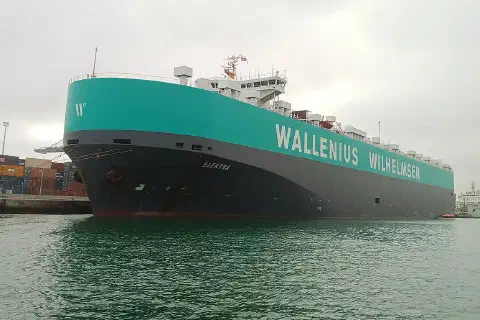
A ceasefire, and oil falls

Crude fell by more than eight per cent on 7–8 April after officials from Washington and Tehran, along with regional mediators, announced a tentative and temporary ceasefire framework. The sell-off showed how fast a geopolitical premium can drain out of the oil price once the shooting stops.
Premium leaks out fast
Commodity quants have long argued that the war premium in crude has a very short half-life once fighting pauses, and this episode bore them out. Hedge funds had piled into call options on Brent futures. When the threat of airstrikes receded they rushed to sell, and front-month crude dropped from $108 to the low nineties in forty-eight hours.
The pattern has precedents. On the day the air campaign against Iraq began in January 1991, crude fell by roughly a third, the largest one-day drop on record at the time, because traders concluded that the worst supply scenario would not materialise. After the attack on Saudi Arabia's Abqaiq processing plant in September 2019, Brent jumped about 15 per cent on the next trading day and gave back almost all of it within a couple of weeks, once Aramco showed that output would be restored quickly. In both cases the price had embedded fear of what might happen, and it fell as soon as that fear eased.
How options speed the fall
The options market explains the speed. When speculators buy call options, the dealers who sell them hedge by buying futures, and they buy more as prices rise, which amplifies the rally. When the calls are sold back, or when implied volatility collapses because the threat has receded, the dealers unwind those hedges by selling futures. The same mechanism that pushed prices up on the way in pushes them down on the way out, so a premium built through options can vanish in a couple of sessions even if the physical market has hardly changed.
Paper peace, mined water
Shipping desks were less excited. A ceasefire signed on paper does not clear mines from a waterway. Shipping lines and the war-risk syndicates in London want physical verification, minesweeping and naval guarantees before any vessel goes back into the Strait of Hormuz, and those take time to arrange.
Mines are a slow problem. During the tanker war of the 1980s, an American frigate escorting shipping in the Gulf was badly damaged by a mine in April 1988, and clearing the waters off Kuwait after the 1991 war took months. Sweeping requires specialist vessels working methodically through the shipping lanes, and any doubt about whether a channel is clear is enough to keep a tanker owner from risking a ship and its crew. Insurers will not restore cover on the basis of a diplomatic statement.
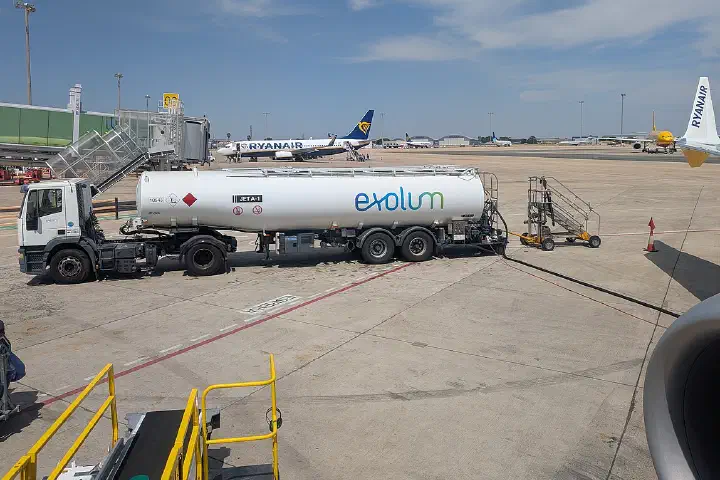
Paper barrels and physical ones
The gap between futures and physical cargoes is the key to the next few weeks. Brent futures trade on expectations and can fall on a headline. A refiner in Asia still cannot receive a cargo from the Gulf until ships move, so prices for prompt physical delivery, and the premium for Gulf-grade crude, may stay high even as futures fall. The spread between the front months of the futures curve, which widened sharply during the closure, is the measure to watch: if it stays wide while outright prices fall, the physical shortage has not eased.
What it means beyond oil
The fall in crude feeds quickly into other markets. Short-dated inflation breakevens in the Treasury market, which track petrol prices closely, fall with oil, and that reduces pressure on central banks to respond to the shock. Currencies of large oil importers, such as the yen and the Indian rupee, tend to recover when crude drops, while those of exporters such as the Norwegian krone and the Canadian dollar give back some of their gains. Airlines, chemical makers and other heavy users of fuel rally, and energy shares fall.
Positioning data help explain what happened. The weekly reports published by the Commodity Futures Trading Commission show how many futures and options contracts different groups of traders hold, and a large build-up of speculative long positions ahead of an event leaves the market vulnerable to a rush for the exit when the news turns. Those reports will show how much of the speculative length has been cleared out, and therefore how much room remains for further selling if the ceasefire holds.
Asian buyers are unlikely to change course on a headline. Refiners that have spent weeks securing Atlantic Basin cargoes at high premiums will keep those supply arrangements in place until Gulf tankers are actually moving, because cancelling them and then failing to receive Gulf crude would leave them with nothing to process. That caution keeps demand for non-Gulf barrels strong even as futures fall, and it limits how far the physical premium can shrink.
Producers watch these swings too. American shale companies often sell futures when prices spike to lock in revenue for the next year or two, and the rally gave many of them that chance. A sharp fall can interrupt the hedging, but it also shows drillers how quickly the windfall can disappear, which argues for caution about adding rigs on the strength of a war premium.
Why the fall may not last
The strongest counterargument to reading too much into the drop is that the ceasefire is tentative and temporary by its own description. If talks stall or fighting resumes, the premium that drained out in two days can return as quickly, and speculators who sold may need to buy again. Traders who sold on the headline have priced a return to normal shipping that no navy or insurer has yet confirmed. A ceasefire that holds but leaves the strait closed would do little for supply.
The signals to watch are tanker movements through Hormuz, any change in the Joint War Committee's listing of high-risk areas in the Gulf, reports of minesweeping operations and naval escorts, spreads between front-month futures, and implied volatility in Brent options. The futures market has shed its war premium, mostly because speculators sold. Physical oil will not flow again until underwriters in London are satisfied the strait is safe, and that is likely to take weeks rather than days.
Write to Arnav Goel at contact@thelombardreview.com
The Sunday Edition, in your inbox
India's economy, markets and money every Sunday, plus our analysis twice a week. Free.
Unsubscribe any time. See our Privacy Notice.