Coal India puts a price on its best mine
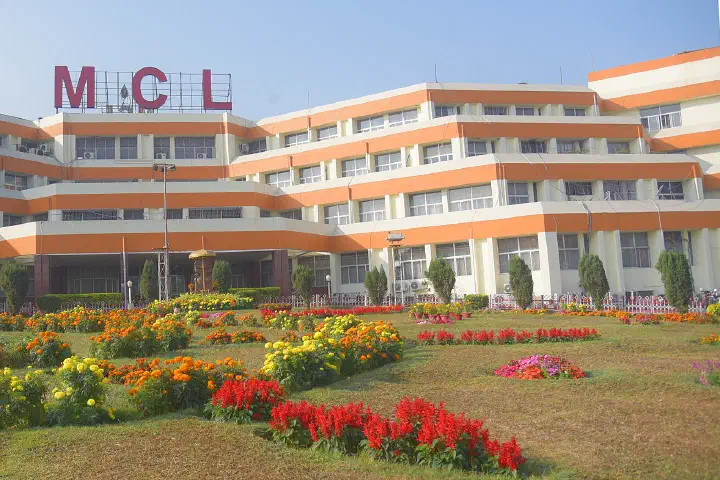
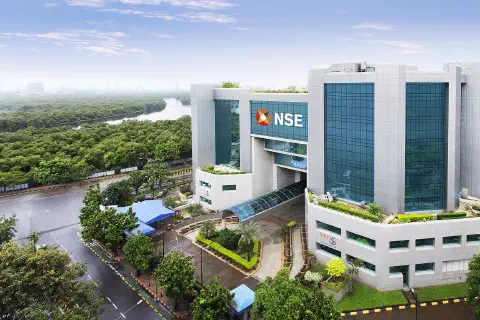
Coal India is selling a tenth of Mahanadi Coalfields to the public. The offer for sale of up to 66.18 crore shares is priced at ₹129 to ₹136 each, which raises about ₹8,981 crore at the top of the range. It runs from November 19 to November 23, with bids from anchor investors a day earlier and listing planned for November 27. At ₹136 a share the whole company is valued at about ₹90,000 crore, or roughly $9.6bn. None of the money goes to Mahanadi. Every rupee goes to its parent.
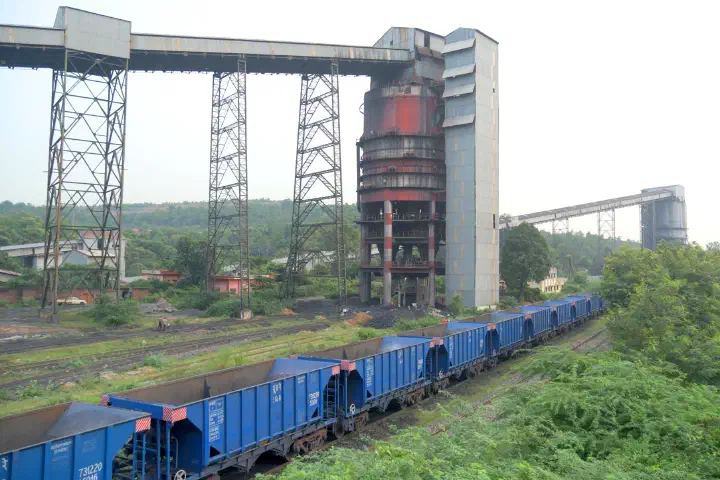
That is a lot of coal for the price. Mahanadi, based in Sambalpur in Odisha, mined 218.31 million tonnes in the year to March 2026, about 21 per cent of India's output and more than any other single producer. It earned ₹10,698 crore after tax on revenue of ₹30,550 crore, a profit margin of 31.56 per cent. At the top of the band the shares are priced at about 8.4 times last year's earnings. The listed peers named in the prospectus trade at between 8.05 and 18.34 times, with an average of 11.57.
The best part of the parent
The figures look more striking next to Coal India itself. Mahanadi produced 28.4 per cent of Coal India's 768.19 million tonnes last year. Its revenue was about 18 per cent of the group's consolidated ₹1.68 trillion. But its profit was equal to about 34 per cent of the group's consolidated profit of ₹31,071 crore. A unit that earns a third of the group's profit is being priced below the average of its peers.
The reason is the kind of seller Coal India is. The proceeds are small next to what the business earns: ₹8,981 crore is less than Mahanadi's profit for a single year. The government, which benefits through its ownership of Coal India, collects its returns mainly as dividends; Coal India paid it about ₹10,272 crore last year. What the government wants is a market price for each part of the group. Inside one listed parent, investors buy an average of good and weaker coalfields and tend to value the whole at less than the sum of its parts. A separate listing for the best part gives that part its own price, and a reference point for the rest.
That requires the first listings to go well. Bharat Coking Coal listed on January 19 and has since fallen about 29 per cent from its debut. Central Mine Planning and Design Institute, listed on March 30, is up more than 18 per cent. South Eastern Coalfields has filed its draft prospectus and is next. A discount on Mahanadi is the cost of keeping that programme on track.
A long reserve and a shorter horizon
Investors have reasons to want the discount. Non-coking coal, the kind burned in power stations, made up 97.41 per cent of Mahanadi's sales. Power utilities and independent power producers bought 68.62 per cent of them, and the ten largest customers accounted for 55.94 per cent of revenue. Two Andhra Pradesh power companies owed it about ₹1,930 crore and ₹502 crore at the end of September. The prospectus also records demand notices of about ₹2,864 crore for mining above the limits in its environmental clearances, which the company is contesting before the Coal Tribunal. The Ib Valley, one of its two coalfields, is classified as a severely polluted area by the Central Pollution Control Board, which can mean stricter conditions for new approvals.
The bigger question is time. Mahanadi's audited reserves of 9,840.31 million tonnes would last about 45 years at last year's rate of production. The Crisil report cited in the prospectus expects India's demand for non-coking coal to rise from 1,112 million tonnes in the year to March 2025 to 1,564 million tonnes by 2036, and says demand could fall after that as renewable energy replaces it. Coal still produces more than 70 per cent of India's electricity, according to the coal ministry, so the next ten years look secure. The thirty after that do not.
An earnings multiple of 8.4 is, in effect, a judgement about that gap. A buyer at ₹136 is paying for about eight years of last year's profit and treating anything after that as uncertain. For a business with 45 years of coal in the ground and perhaps ten years of rising demand for it, that is not an unreasonable bet. It is simply a bet on a mine with an end date, sold by an owner more interested in setting a price than in getting the highest one.
Write to Arnav Goel at contact@thelombardreview.com
The Sunday Edition, in your inbox
India's economy, markets and money every Sunday, plus our analysis twice a week. Free.
Unsubscribe any time. See our Privacy Notice.