Gasoline did most of September's inflation

American consumer prices rose 0.6 per cent in September, after 0.4 per cent in August, and 3.7 per cent from a year earlier, up from 3.4 per cent in August. Forecasters had expected 3.6 per cent. The report, published by the Bureau of Labor Statistics on October 14, was the last reading of inflation before the midterm elections on November 3, and it arrived two weeks before the Federal Reserve meets to decide whether to raise interest rates for the second time in two months.
Read quickly, the numbers say inflation is accelerating. Read closely, they say something narrower: that one product is driving most of it.
Half the rise came from one pump
The gasoline index jumped 9.1 per cent in September alone. The bureau's own release says that rise accounted for "over half of the monthly all items increase". Over twelve months gasoline is up 34.2 per cent, and energy as a whole is up 20.4 per cent. The cause is the war with Iran, which has cut the flow of crude out of the Persian Gulf and raised the price of everything refined from it. Airline fares, which follow the price of jet fuel, are up 22.4 per cent on the year.
Strip out food and energy and the picture is calmer. Core prices rose 0.3 per cent in September, the same pace as in August, and 2.6 per cent over the year, up from 2.4 per cent. That is above the 2.5 per cent forecasters expected, but it is far from the headline figure. Food prices were flat on the month; groceries fell 0.1 per cent. Shelter, the largest item in the core index, rose 0.4 per cent, a little faster than in August.
So September looks less like an economy overheating than an economy absorbing an oil shock. That distinction matters because it is exactly the one central banks are taught to draw. A rate rise cannot pump more oil through the Strait of Hormuz. What it can do is make it harder for firms and workers to turn a one-off jump in fuel costs into a lasting rise in prices and wages.
The squeeze on pay
On the evidence of September, workers are not winning that race. The bureau's companion release on earnings shows real average hourly earnings, which adjust pay for inflation, fell 0.5 per cent from August to September and are 0.7 per cent lower than a year earlier. Nominal hourly pay rose just 0.1 per cent in the month.
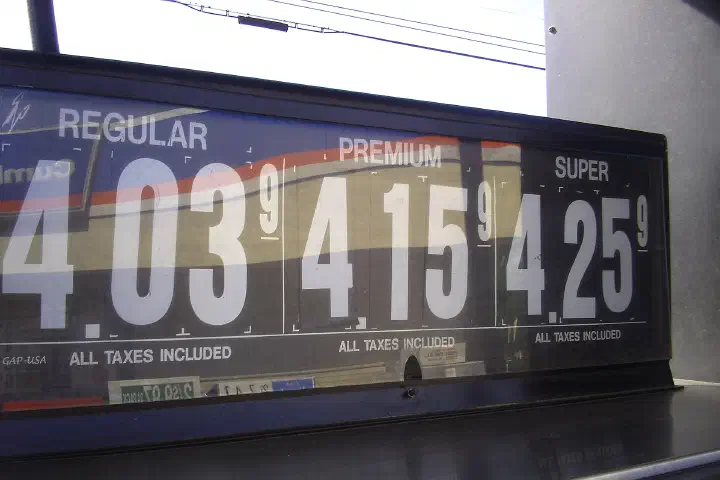
That is the opposite of a wage-price spiral. When pay lags prices this badly, households have less to spend, which in time slows demand and eases price pressure on its own. It is also the reason energy shocks are politically corrosive. Petrol is the most visible price in the economy, bought weekly and posted in foot-high numbers on every corner.
What the Fed said it is watching
The Fed raised its target range by a quarter of a percentage point to 3.75 to 4 per cent on September 16, its first increase in three years, by a vote of 12 to 0. The minutes of that meeting show officials worried less about the oil price itself than about where it might lead. Many noted that the longer energy prices stay high, "the greater the risk that cost increases in certain sectors could lead to broader price pressures". A couple argued that a higher policy rate would help keep "sector-specific price increases stemming from energy market disruptions" from broadening into persistent inflation. Most expected that another increase "would likely be appropriate by year end".
The same minutes contain the best argument for patience. Participants judged that longer-term inflation expectations "remained at levels consistent with the Committee's 2 percent objective", even as short-term expectations had risen. Some also warned that after more than five years above target, high inflation could begin to affect expectations and wage-setting. September's report gives some support to each side. Core prices rose faster than forecast, but real wages fell, which is not what a wage-price spiral looks like.
A market that changed its mind twice
Traders have struggled to decide. Before the release, CME Group's FedWatch tool, which infers probabilities from futures prices, put the chance of a rise at the October 27 to 28 meeting at 22 per cent. Within hours of the report it had climbed to about 50 per cent, according to CME Group. By October 20, FXStreet reported that money markets were pricing a hold in October, with a rise in December still seen as likely.
That shift makes sense. A Fed that raises rates into an oil shock risks squeezing households already losing ground to inflation. A Fed that waits risks letting a supply shock become an inflation problem. December gives officials two more inflation reports, and possibly a clearer view of the oil supply, before they have to choose.
What to watch
Three numbers will decide it. The first is core prices excluding airfares and other fuel-heavy services; if they settle back towards 0.2 per cent a month, the shock is staying in its lane. The second is shelter, which has started to firm. The third is crude. Reports on October 20 that Washington and Tehran may be nearing a deal pushed oil lower, according to FXStreet, though officials said no agreement had been finished. A deal would do more to bring headline inflation down than any rate rise, and the Fed knows it.
Write to Arnav Goel at contact@thelombardreview.com
The Sunday Edition, in your inbox
India's economy, markets and money every Sunday, plus our analysis twice a week. Free.
Unsubscribe any time. See our Privacy Notice.