GDP shrank. The economy didn't
The advance estimate shows GDP shrinking at a rate of −0.3 per cent in the first quarter, and parts of the financial press were quick to call a recession. A careful look at the national accounts tells a different story. The economy is holding up, and a 41 per cent jump in imports produced the whole contraction.
It was the first quarterly contraction in three years, and it landed in a febrile week. The White House blamed the previous administration, markets sold off for a morning, and commentators dusted off the rule of thumb that two negative quarters make a recession. The components of the release point elsewhere.
Take out the imports
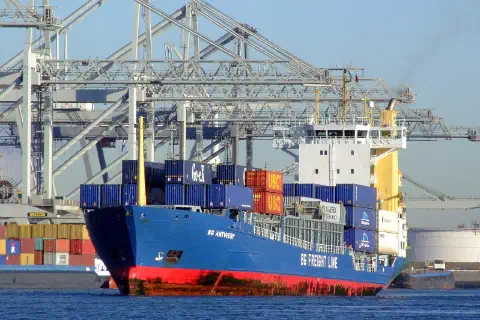
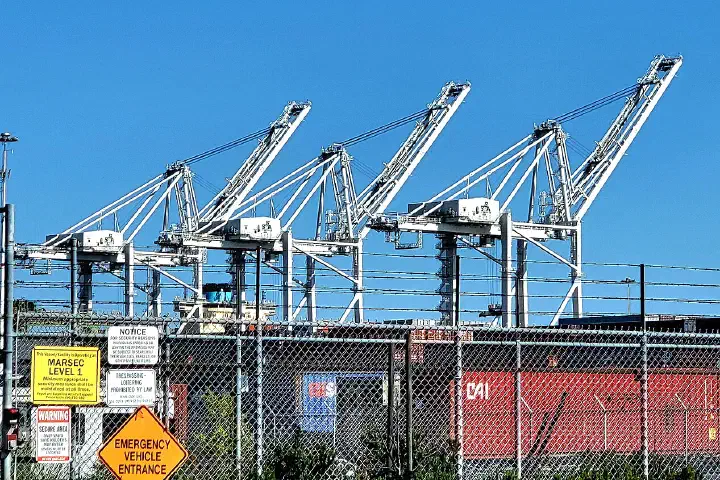
GDP adds up consumption, investment, government spending and net exports. Importers hurried to buy abroad before the expected tariffs, imports rose by 41 per cent, and that alone knocked more than four percentage points off the headline figure. Strip out the trade effect and real final sales to private domestic purchasers, the best single measure of demand from households and businesses, grew at a healthy annualised 2.6 per cent.
The subtraction happens because imports are already counted when they are bought. A foreign-made laptop shows up once as business investment or consumer spending and once as an import, and the two entries cancel. When companies rush to buy abroad, the cancellation is often incomplete in the first estimate, because goods can be imported in one quarter and sold or recorded as inventory in another. Rising inventories offset part of the drag this time, but only part.
Businesses kept investing
Consumer spending rose solidly. Non-residential fixed investment grew too, helped by steady spending on enterprise software and data centres. Americans kept buying, and companies kept hiring.
Spending on equipment jumped, and much of it was computers and machinery bought from abroad ahead of the duties. That is the national accounts working as designed: the import subtracted from GDP reappears as investment added to it. The hiring claim got fresh support on Friday, two days after the GDP release, when the Labor Department reported that employers added 177,000 jobs in April and the unemployment rate held at 4.2 per cent. Economies in recession rarely produce payroll gains of that size.
Government spending pulled down too
A smaller part of the weakness came from Washington. Federal spending fell in the quarter, led by a drop in defence outlays, and the administration's push to cut the federal workforce and cancel contracts will weigh on that line for a while longer. Government purchases are counted in GDP but are not a measure of private demand, which is why economists who want to read the health of households and firms look at private final sales instead.
Echoes of 2022
Americans have seen this before. The first estimates showed GDP shrinking in both the first and second quarters of 2022, and the phrase "technical recession" did the rounds for months. Trade deficits and swings in inventories accounted for much of the weakness, while employers were adding jobs at a rapid pace. The National Bureau of Economic Research, which dates American business cycles, never declared a recession. Its committee looks at a broad range of indicators, chiefly employment, income and spending, rather than the sign of a single GDP print.
The parallel has limits. In 2022 the Fed was raising interest rates quickly to fight inflation; today it is holding its policy rate steady at 4.25-4.5 per cent while it waits to see what tariffs do to prices. The lesson that carries over is that GDP can be dragged below zero by the accounting of trade while the parts of the economy that pay wages carry on.
Misreading the figure has costs of its own. A recession narrative can feed on itself if firms freeze hiring on the strength of headlines, and it puts pressure on the Fed to cut rates just as tariffs threaten to push prices up. Core inflation in the quarter, as measured by the price index the Fed prefers, ran well above its 2 per cent target. A central bank that eased because of an import-driven GDP print could find itself cutting into rising inflation, the mistake it most wants to avoid.
Demand pulled forward
The strongest case against complacency is that the healthy domestic figures were flattered by the same rush that hurt the headline. Households bought cars and appliances early to beat price rises, and businesses bought equipment ahead of duties. Spending brought forward is spending that will not happen later, so the first quarter may overstate the underlying pace of demand in the same way it understated output.
Confidence is also sliding. Surveys of consumer sentiment fell sharply in April, with households reporting fears about prices and jobs not seen since the inflation of 2022. Surveys have been a poor guide to spending lately, since Americans who say they are gloomy have kept shopping, but a prolonged slump in sentiment eventually shows up in hiring plans and big-ticket purchases.
These points argue for caution about the second half of the year. They do not rescue the recession call for the first quarter. A demand shock of that kind would show up in rising unemployment and falling hours worked, and neither is visible yet.
What the next prints show
The advance estimate will be revised twice, and the second estimate at the end of May will include fuller data on inventories and trade. The more useful signals in the meantime are the monthly figures on consumer spending and incomes, weekly claims for unemployment benefits and the Fed's statement after its meeting in early May. The second-quarter advance estimate, due at the end of July, will show the reverse of this quarter's distortion, as imports fall back and net trade adds to growth. The negative GDP figure was an accident of import timing, and the domestic economy is in decent health for now. The second-quarter figures will probably swing the other way as the import surge unwinds. The more honest risk is a slow cooling of spending in the summer as front-loaded purchases fade, and that would show up first in payrolls and claims, well before any quarterly GDP number confirms it.
Write to Arnav Goel at contact@thelombardreview.com
The Sunday Edition, in your inbox
India's economy, markets and money every Sunday, plus our analysis twice a week. Free.
Unsubscribe any time. See our Privacy Notice.