Hormuz reopens, on paper
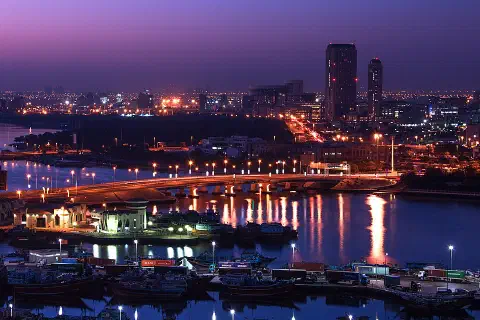
The news wires announced on 23 June that the Strait of Hormuz was open again, after regional powers signed a multilateral Memorandum of Understanding (MOU) at a formal ceremony. Ship-tracking data told a rather different story, and a much less cheerful one. The shipping lanes through the strait were almost empty.
Signed, but not swept
Diplomats' signatures do not clear minefields, and they do not protect merchant crews from rogue drone attacks. Lloyd's of London war-risk syndicates put it bluntly. Premiums will stay at wartime emergency levels until joint naval teams have physically swept the channels and set up a permanent security corridor.
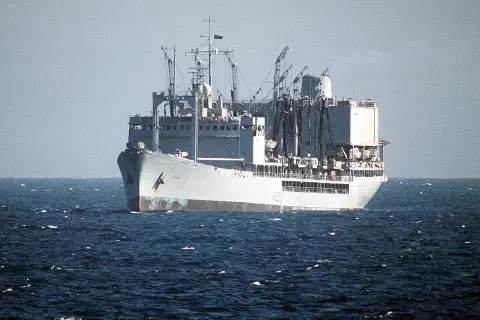
Mine clearance is slow, dangerous and hard to hurry. Minehunting vessels survey the seabed with sonar, identify suspicious contacts and neutralise them one at a time, often with remotely operated vehicles or divers. The shipping channels through the strait are narrow and heavily used, but the waters on either side are wide enough to hide a great deal, and a channel is safe only when the navies involved are confident they have found everything in it. After the Gulf war of 1991, clearing the mines laid off Kuwait took months of work by several navies.
What a single mine can do
The history of the Tanker War explains the underwriters' caution. In July 1987, on the very first American-escorted convoy of reflagged Kuwaiti tankers, the tanker Bridgeton struck a mine. In April 1988 the American frigate Samuel B. Roberts was badly damaged by another. Both incidents happened while naval forces were present and while governments were insisting the waterway was secure. Insurers remember those episodes, and a memorandum signed at a ceremony does nothing to change the odds they are pricing.
The drone threat is newer and in some ways harder to manage. Mines stay where they are laid and can eventually be cleared; small drones can be launched from almost anywhere along a long coastline, at short notice, by groups that may not answer to any government that signed the MOU. The Houthi attacks on Red Sea shipping that began in late 2023 showed that a non-state force with cheap drones and missiles can divert a large share of commercial traffic for many months, despite the presence of Western warships.
Command structures add a further layer of doubt. Iran has two naval forces, the regular navy and the navy of the Islamic Revolutionary Guard Corps, and it is the Guards' fast boats and coastal units that have historically operated most aggressively in and around the strait. Underwriters will want evidence that every armed force capable of threatening shipping is bound by the agreement in practice, and a signature from a foreign ministry does not by itself supply that evidence.
Owners want proof
Tanker owners will not risk ships worth $150 million on a memorandum that binds nobody. Until independent maritime safety authorities confirm that the strait is secure, it stays shut for any commercial purpose that matters to a shipowner or a charterer. The owner's calculation is simple: the charter income from a single voyage is small next to the value of the hull, the cargo and the lives of the crew, and a loss would also bring years of claims and reputational damage.
Crews have a say too. Under industry agreements between shipowners and seafarers' unions, designated war zones carry special terms, including extra pay and in some cases the right of crew members to refuse to sail into them. An owner that tried to send a ship through before those designations were lifted could find itself short of officers willing to go.
Who moves first
If any ships do test the waters, they are likely to be those with the least to lose. Older tankers operating outside mainstream insurance, including the so-called shadow fleet that has carried sanctioned oil in recent years, face lower costs if something goes wrong and have owners with a higher tolerance for risk. Ships serving Chinese buyers that have paid Iranian transit tolls may also move earlier, on the assumption that they will not be targeted. A few such transits would not reopen the strait for the mainstream fleet, which answers to insurers, banks and charterers with stricter standards.
The market effects follow. As long as the mainstream fleet stays away, freight rates for voyages that avoid the strait remain high, refiners in Asia keep paying premiums for crude from the Atlantic basin, and the benchmark oil price keeps a risk premium that the MOU alone cannot remove. Liquefied natural gas from Qatar, which must also pass through the strait, stays scarce for buyers in Europe and Asia.
The case for the optimists
The optimists point out that a signed multilateral agreement is a real step beyond the unsigned statements of earlier weeks. It commits several governments publicly, creates a framework for naval cooperation and gives underwriters something concrete to assess. That is true, and it is the reason the process of reopening can now begin. It does not shorten the process, which depends on work at sea rather than paper on land. The agreement also leaves open the question of enforcement: it does not say who will respond, or how, if a ship is attacked after the channels are declared clear, and underwriters price that gap.
What to watch
The signals will be physical. Daily transit counts from ship-tracking services will show whether traffic is returning. Announcements from the navies involved will show whether sweeping has begun and how far it has progressed. Above all, the Joint War Committee of the London insurance market, which lists the areas it regards as high risk, will show when underwriters are prepared to treat the strait as normal again, and quoted war-risk premiums will fall only after that.
The MOU moved the headlines for an afternoon, but tankers will stay away until underwriters see swept channels, which is likely to take weeks at least. Refiners in Asia and buyers of Qatari gas should plan on disrupted supply through July, and oil traders should treat any rally on reopening headlines as a selling opportunity for the risk premium only once transit counts actually rise.
Write to Arnav Goel at contact@thelombardreview.com
The Sunday Edition, in your inbox
India's economy, markets and money every Sunday, plus our analysis twice a week. Free.
Unsubscribe any time. See our Privacy Notice.