Is France the eurozone's next crisis?

The spread between French ten-year government bonds and German Bunds has widened to eighty basis points, its widest since the sovereign debt crisis of 2012. Emmanuel Macron's decision to dissolve parliament has turned French debt into a battleground for speculators. Investors are weighing the prospect that the eurozone's second-largest economy drifts into fiscal delinquency.
A week that reset the price
The move happened fast. Before the European elections on 9 June, French debt traded at a modest and stable premium to Germany, reflecting a deficit that was too large but a government committed, at least on paper, to reducing it. The dissolution replaced that assumption with a choice between three blocs, two of which have campaigned against the 2023 pension reform and in favour of higher public spending. The first round of voting is on 30 June and the second on 7 July, so the market has to price a new fiscal regime before anyone can read its budget.
The starting position leaves little room. France runs a deficit well above the EU's 3 per cent ceiling and public debt above 110 per cent of GDP, and Standard & Poor's cut its rating at the end of May. The European Commission is preparing to recommend opening an excessive-deficit procedure, which would bind Paris to a path of consolidation just as voters are being offered the opposite.
Strings on the ECB backstop
Traders who assume the European Central Bank will use its Transmission Protection Instrument (TPI) to cap French spreads have not read the rules. The ECB can use TPI only for a country that complies with European Union fiscal rules. If an incoming populist or left-wing government passes budget-busting measures, Frankfurt will be legally barred from supporting French bonds.
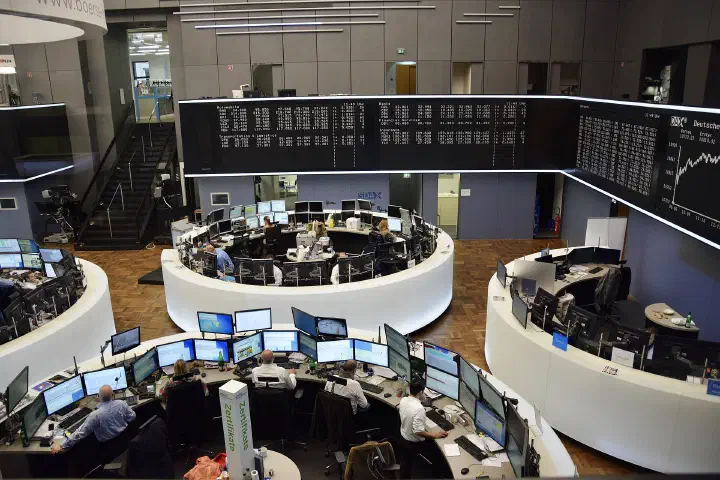
The instrument was designed in July 2022 with Italy in mind, at a time when the ECB was starting to raise rates and feared that spreads in weaker economies would blow out. Its criteria include compliance with the fiscal framework, the absence of severe macroeconomic imbalances, a sustainable debt path and sound policies. The point was to reassure markets without rewarding governments that ran loose budgets, and the conditionality is what made the tool politically acceptable to Germany and the Netherlands. Using it for a government defying Brussels would undercut the whole bargain.
Older tools, same conditions
The ECB has a first line of defence that is less formal. It can reinvest the proceeds of maturing bonds held under its pandemic purchase programme flexibly, tilting purchases towards countries under pressure, and it did so for Italy and others in 2022. That flexibility is real but limited in size, since reinvestments are only the value of bonds rolling off each month, and it is scheduled to wind down from the second half of this year.
Beyond that sits Outright Monetary Transactions, the programme announced in 2012 that ended the last crisis without a single bond being bought. OMT also requires a country to sign up to a rescue programme with the European Stability Mechanism, complete with fiscal conditions. No French government of any colour would accept that without a genuine emergency. The architecture is consistent: the ECB will help countries that follow the rules, and it has no instrument for one that does not.
How the pressure would build
The mechanism of a spiral is familiar from the Italian episode of 2018, when a populist coalition's budget clash with Brussels pushed the spread with Germany above 300 basis points. Higher yields raise the cost of refinancing, which widens the deficit, which draws warnings from the Commission and the rating agencies, which pushes yields up further. France refinances a large volume of debt every year, and its average maturity is long enough to slow the effect on the interest bill, but not to stop it.

The losers would include French banks, which hold large amounts of their own government's debt, and life insurers, which invest policyholders' savings heavily in OATs. Italy and other high-debt countries would face contagion, since investors who fear one fiscal rebel tend to mark down the rest. The winners are holders of Bunds, which remain the eurozone's safe asset, and short sellers positioned for exactly this moment.
The case against a crisis
The argument for calm is serious. France is not Greece: it borrows in a currency its central bank controls collectively, has deep domestic savings, a large and liquid bond market and no history of default. Eighty basis points is a fraction of the spreads that Italy and Spain paid in 2011 and 2012. Any new government would also face the same markets the moment it drafted a budget, and the prospect of paying more to borrow has disciplined populists before, as Italy's coalition found when it trimmed its deficit target late in 2018.
That is a case for a ceiling on the damage rather than for the status quo. The spread need not reach Italian levels to raise France's interest bill meaningfully, and the market has now learned that the backstop it took for granted comes with strings attached.
Dates that decide it
The indicators to watch are the seat projections after the first round, the Commission's formal recommendation on the deficit, and any comment from ECB officials on TPI eligibility. The next scheduled reviews by Moody's and Fitch matter too, because a second downgrade within months would push France further from the core group of top-rated borrowers and test the patience of foreign central banks that hold OATs as reserves. The budget for next year, due in the autumn, is the real test, because it will show whether a new government accepts the consolidation path or challenges it.
Bond markets have long memories, and Paris is about to be reminded of it. If the next government breaks with EU fiscal rules, the ECB will probably stand aside, and French spreads could widen well past eighty basis points. The likeliest outcome is a divided parliament that keeps the spread elevated but short of crisis levels into the autumn, with a full-blown test coming only if the budget openly defies Brussels.
Write to Arnav Goel at contact@thelombardreview.com
The Sunday Edition, in your inbox
India's economy, markets and money every Sunday, plus our analysis twice a week. Free.
Unsubscribe any time. See our Privacy Notice.