Memorial Day: Summer driving at $100 oil
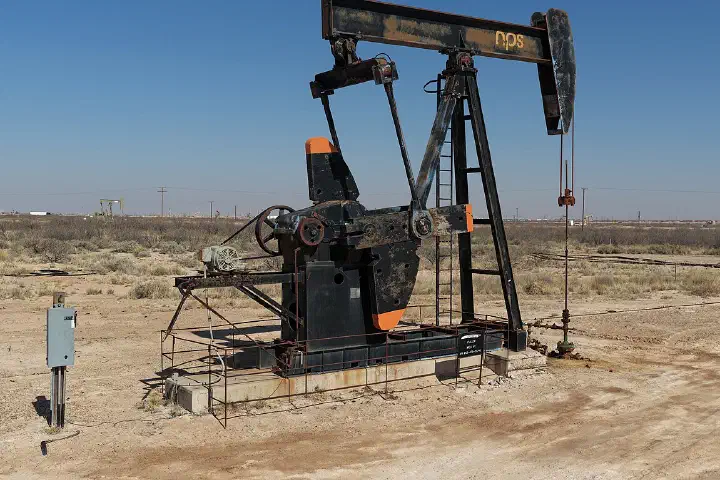
Brent crude sat between $105 and $108 over Memorial Day weekend, and the average price of petrol at American pumps topped $4.60 a gallon. The holiday traditionally opens the summer driving season. This year it showed how much of a household's budget oil can take, and the cost of getting about has become a stiff tax on families.
From barrel to pump
The link between crude and the forecourt is simple arithmetic. A barrel holds 42 gallons, so every $10 added to the price of a barrel of crude adds roughly 24 cents to the cost of a gallon of petrol before refining margins, distribution and taxes are counted. Summer makes it worse. Environmental rules require a less volatile blend in the warm months, which is dearer to make, and demand peaks just as refiners switch over. The pump price therefore tends to rise faster than crude going into June and fall more slowly coming out of it.
Fuel crowds out the fun
Spending on energy falls hardest on the poor, and there is little choice about it. A working household that needs another $150 to $200 a month to fuel its cars for the daily commute takes that money from restaurant meals, theme-park trips and new clothes. Oil at a hundred dollars has wiped out the relief on prices that recent tariff cuts brought.
The pain lands fast because petrol demand barely moves in the short run. Commuters cannot move house or buy a more efficient car in a week, so they keep filling the tank and cut elsewhere. Lower-income households spend a larger share of their budgets on fuel than richer ones and have thinner savings to absorb the shock, so their cuts to discretionary spending come sooner and go deeper.
Rural and exurban families are hit harder still. They drive longer distances, often in larger vehicles, and have no public transport to fall back on. The squeeze is sharpest in exactly the places where incomes are lowest and where a second car is a necessity rather than a comfort.
Households that cannot cut any further will borrow. Fuel put on a credit card carries interest at rates far above the Fed's policy rate, which turns a temporary price shock into a drag on budgets that lasts well after crude falls back. Rising card balances and delinquencies among younger and lower-income borrowers would be the sign that the squeeze has moved from spending into debt.
Oil shocks have a record
History gives oil spikes a poor reputation. The economist James Hamilton showed decades ago that most post-war American recessions were preceded by a sharp rise in oil prices, and the 1973, 1979, 1990 and 2008 episodes all fit the pattern. The nearest comparison is milder. In June 2022 the national average price of petrol passed $5 a gallon and the University of Michigan's consumer sentiment index fell to its lowest reading on record, but spending held up because households were sitting on savings built up during the pandemic. That cushion has largely been spent.
Petrol prices also shape what households expect inflation to be, more than almost any other price, because they are posted on every street corner. Surveys of consumers' inflation expectations tend to rise with the pump price. That gives the Fed a reason to worry about a fuel shock even if it would otherwise look through it, since expectations that drift upward can feed into wage demands and pricing decisions.
Where the money goes instead
The money does not vanish. America is now a net exporter of petroleum, so much of what drivers pay at the pump flows to domestic producers, their workers and shareholders, and to producing states such as Texas and North Dakota. That makes this shock less damaging to national income than the oil crises of the 1970s, when the proceeds went abroad. It does little for a family in Ohio, because the gains accrue to different households and different regions from the ones bearing the cost, and shareholders spend a smaller share of an extra dollar than commuters do.
What Washington can do
The policy levers are short and blunt. The federal tax on petrol has been 18.4 cents a gallon since 1993, so even suspending it entirely would offset only a fraction of the rise, and a proposed federal fuel-tax holiday in 2022 went nowhere in Congress. Temporary waivers allowing higher-ethanol blends in summer and further releases from the strategic reserve can shave a few cents. None of them changes the price of crude set in a world market.
Shorter trips, packed lunches
High-frequency card-spending data for the weekend show that total travel spending stalled compared with previous years. Consumers drove shorter distances, packed their own food and cancelled hotel bookings.
Restaurants are first in line because eating out is the easiest purchase to trim and the quickest to show up in the numbers. Airlines face a double squeeze, paying more for jet fuel while leisure travellers hold back. Discount retailers and grocers may gain share as families trade down, which is little comfort to the companies they trade down from.
The strongest case against a deep slowdown is that a large share of consumer spending comes from higher-income households, for whom a costlier tank is an irritation rather than a constraint. Their spending on travel and dining may hold up, keeping aggregate figures steadier than the pain at the lower end would suggest. That changes the shape of the damage more than its existence: businesses serving budget customers will feel it first and most.
The data that would change the call are the Energy Information Administration's weekly petrol price survey, the restaurant and bar line in the monthly retail sales report and the consumer sentiment surveys. A quick fall in crude would ease the pressure within weeks, since pump prices follow wholesale petrol closely. If oil stays near these levels, households will keep cutting back through the summer of 2026, and the first cuts will land on restaurants, travel and retailers.
Write to Arnav Goel at contact@thelombardreview.com
The Sunday Edition, in your inbox
India's economy, markets and money every Sunday, plus our analysis twice a week. Free.
Unsubscribe any time. See our Privacy Notice.