Meta borrows $30bn for AI

Meta Platforms has sold $30 billion of investment-grade bonds in several tranches, a deal of a size rarely seen, to pay for its artificial intelligence spending plans. Investors put in orders for nearly $125 billion, a record book, which shows how keen credit markets are on higher-yielding technology paper.
The timing was awkward. The bonds were priced the day after Meta's third-quarter results, when the company told shareholders that spending would grow notably faster next year and its shares fell sharply. Equity investors balked at the bill while bond investors queued to finance it, a split that says more about the two markets than about Meta.
Cash flow is no longer enough
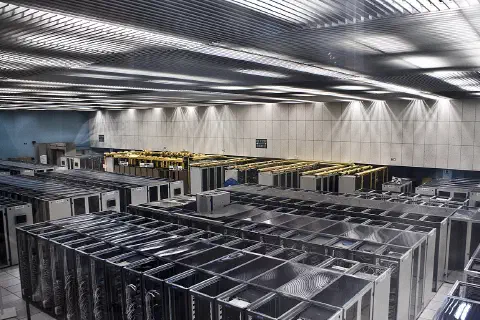
The deal marks a change in how Big Tech runs its balance sheet. Silicon Valley's giants used to pay for infrastructure entirely out of their abundant operating cash flow. With annual AI capital spending heading towards $60 billion, even Meta's huge advertising income cannot cover hardware purchases, custom chip fabrication and gigawatt-scale nuclear energy commitments without help from the public debt markets.
Public bonds are only one channel. Meta has already moved the cost of its Hyperion data centre in Louisiana into a joint venture with Blue Owl, funded by privately placed debt that sits outside Meta's own balance sheet. Oracle sold $18 billion of bonds in September for the same purpose. The industry is using every pocket of the credit market at once, which makes the total borrowing harder to see than any single deal suggests.
Why bond buyers said yes
The appeal to investors is plain. Meta is rated in the double-A range, carries modest debt and generates tens of billions of dollars of free cash flow a year, so its bonds offer a spread over Treasuries with little apparent risk of default. Large new issues are usually priced with a concession to existing bonds to clear the market, and a book more than four times the deal size lets insurers and pension funds lock in long-dated yields from one of the few borrowers with that profile. For the equity holder the trade-off is different: interest costs rise, and cash spent on servers is cash not returned through buybacks.
Two markets, two payoffs
The split between shareholders and creditors follows from what each is owed. A bondholder receives fixed coupons and its money back, so it cares only whether Meta can pay, and on that score the answer is overwhelmingly yes. A shareholder owns whatever is left after the interest, so it cares whether the servers earn more than they cost. The same announcement can therefore be good news for one and bad news for the other, and last week it was both.

The split also creates an incentive. When credit is cheap and plentiful while the share price is under pressure, a company that wants to keep spending will lean on debt rather than cut back or issue equity. Alphabet came back to the bond market in dollars and euros a few days later, and more hyperscaler deals are likely to follow while order books stay this deep.
Looking more like utilities
Tens of billions in new tech bonds are starting to give the primary corporate debt market indigestion. As the biggest tech companies turn into asset-heavy infrastructure operators, their credit profiles will look more like those of power utilities than of asset-light software monopolies.
The power contracts reinforce the resemblance. In June Meta signed a 20-year agreement to buy the output of Constellation's Clinton nuclear plant in Illinois, and its data-centre leases and joint ventures run for similar spans. Rating agencies treat long leases and guarantees as debt-like obligations, so the effective leverage of these companies is higher than the bonds alone suggest.
The comparison has limits that cut against the borrowers. A regulated utility earns an allowed return on its asset base, set by a commission and paid by customers who cannot leave. A data centre earns whatever AI products eventually charge, and chips wear out in a few years rather than the decades of a transmission line. Meta lengthened the assumed useful life of its servers at the start of this year, which lowers depreciation and flatters earnings; if the hardware turns obsolete faster, the write-downs will land on the same balance sheet that now carries the debt.
The telecom precedent
Credit markets have financed a technology build-out before. Around 2000 telecom companies sold record volumes of bonds to lay fibre and buy mobile licences, much of the capacity sat unused, and several of the borrowers defaulted within two years. The better-known record in size, Verizon's $49 billion sale in 2013, funded the purchase of a business with established cash flows rather than a bet on future demand. Meta's deal sits closer to the first case than the second, though its starting leverage is far lower than the telecom borrowers ever managed.
The case for the defence is strong. Meta could service this debt from a fraction of one year's cash flow, and its advertising business is not going away. The risk lies in the trend: if each quarter brings a larger spending forecast, borrowing will keep growing faster than revenue, and rating agencies will start to ask what the servers are worth. Spreads on new-issue technology bonds, the pace of further deals, and the capital spending guidance due with fourth-quarter results in the new year are the signals to follow. Meta's $30 billion deal shows that the AI race now costs more than Big Tech's cash flows can cover. Big Tech will keep borrowing against once-pristine balance sheets for speculative infrastructure, and its bonds will probably come to trade like utility debt.
Write to Arnav Goel at contact@thelombardreview.com
The Sunday Edition, in your inbox
India's economy, markets and money every Sunday, plus our analysis twice a week. Free.
Unsubscribe any time. See our Privacy Notice.