Prices fall for the first time since 2020

The US consumer price index fell 0.1 per cent in June, its first monthly decline since the early disruption of the 2020 pandemic. Core prices rose just 0.16 per cent, bringing the annual core rate down to 3.3 per cent. Disinflation is at last spreading through the economy.
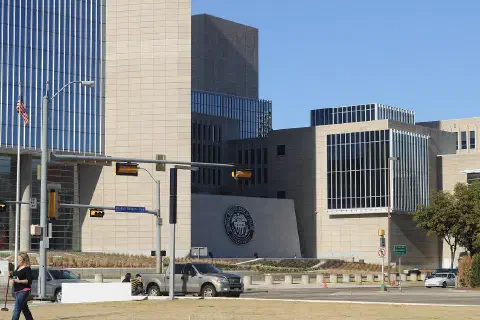
The timing matters. The Federal Reserve has held its policy rate at 5.25 to 5.5 per cent for a year, and at its June meeting the median official pencilled in only one cut for the rest of this year. Markets began the year expecting around six cuts, then watched hot inflation readings in the first quarter push those hopes back month after month. June's figures are the first in a while to move the argument decisively in the other direction.
Rents cool, cars get cheaper
The big change in June was a clear slowdown in shelter costs, which had been rising stubbornly for months. Prices also fell outright for used cars, airline fares and consumer electronics. The breadth of the slowdown suggests that tight monetary policy is finally eroding companies' pricing power. With prices cooling in so many categories, the Fed now has room to start cutting rates.
Shelter is the piece that counts most, because it is the largest single component of the index and the slowest to turn. The official measure tracks rents on existing leases, which reset only once a year, so it lags market rents by many months. Private indices of new leases have been soft for some time, and June looks like the point where that softness began to show through in the official figures. If it continues, it will drag core inflation lower for months without any further help from the Fed.
Beyond the petrol pump
A fall in the headline index is easy to dismiss when it comes only from cheaper petrol, and petrol did get cheaper in June. The more telling detail is that the goods and services that have nothing to do with energy slowed as well. Used-car prices, which soared when chip shortages throttled new-car production, are unwinding as dealer lots refill. Airline fares have eased as capacity has recovered. These are the categories where firms raised prices most aggressively in 2021 and 2022, and they are now giving some of those gains back.
The statistical case rests on breadth rather than on a single headline. Fed economists watch median and trimmed-mean measures, which strip out the most extreme price changes each month, precisely because a fall in petrol or airfares can flatter the headline. When those measures slow alongside the headline, the whole distribution of price changes is shifting, which is much harder for one volatile category to fake. That is the test officials will apply to June's figures, and July's report will need to pass it too.

The labour market points the same way. The unemployment rate rose to 4.1 per cent in June, and wage growth has cooled from its peak. When workers have less bargaining power, service businesses find it harder to pass on higher costs, which is the channel through which inflation tends to become entrenched.
The case for patience
Sceptics have a fair point. One month is a thin basis for a policy turn, and the index is noisy. The Fed was embarrassed once already this year, when early-year readings ran hot after a benign end to 2023, and officials will not want to cut only to face a rebound. They also watch a different gauge, the personal consumption expenditures index, whose core measure was running at 2.6 per cent in May. That is closer to target than the CPI suggests, but still above it.
History offers warnings on both sides. The Fed under Arthur Burns in the 1970s eased too early and let inflation return with greater force, a mistake that every subsequent chairman has studied. The other precedent is 1995, when Alan Greenspan cut rates after a year of tightening and helped deliver a soft landing. Jerome Powell has made clear which lesson he fears more, but a rising unemployment rate raises the cost of waiting too long.
Who benefits from a cut
Markets reacted quickly. Two-year Treasury yields, which track expectations for Fed policy, fell on the news, the dollar weakened and money rotated into smaller companies, which carry more floating-rate debt and gain most from cheaper borrowing. Housebuilders and other rate-sensitive sectors rallied. Savers who have enjoyed yields above 5 per cent on money-market funds stand to lose once cuts begin, though only gradually.
Borrowers with variable-rate loans, from credit-card users to private-equity-backed companies with leveraged loans, would feel relief soonest. Mortgage holders would gain less directly, since most Americans have fixed-rate loans, but lower long-term yields would help unfreeze a housing market where many owners are reluctant to give up cheap mortgages.
What could still stop it
The Fed meets at the end of this month and again in September. The July meeting is widely expected to be used to prepare the ground rather than to move. Between now and September, officials will see two more consumer price reports, two jobs reports and the Jackson Hole symposium in August, where chairmen often signal their intentions. A reacceleration in shelter or services prices would be the most likely spoiler, and a sharp rebound in energy prices would complicate the message.
June's fall in prices, spread well beyond energy, gives the Fed the evidence it asked for. It will probably start cutting soon, and only a nasty surprise in the next inflation report would stop it. The most likely outcome is a first quarter-point cut in September, with borrowers on floating rates the first to feel it and cash savers the first to notice their yields slipping.
Write to Arnav Goel at contact@thelombardreview.com
The Sunday Edition, in your inbox
India's economy, markets and money every Sunday, plus our analysis twice a week. Free.
Unsubscribe any time. See our Privacy Notice.