Reddit's IPO lets the public in
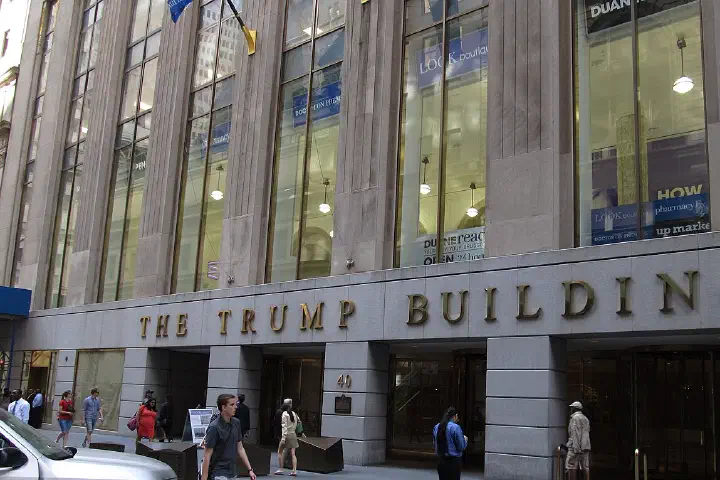
Reddit’s shares rose forty-eight per cent on their first day of trading on the New York Stock Exchange, after the company priced its offering at $34, the top of the marketed range. For a while its market value topped $9 billion. It was a classic retail-driven debut. The company has not made an annual net profit in nineteen years of operation.
A long road to listing
Reddit was founded in 2005 and bought the following year by Condé Nast, part of Advance Publications, which remains its largest shareholder. It was later spun out as a separate company and raised money from venture investors, most recently at a private valuation well above the price at which it has now listed. The company filed confidentially to go public in 2021, at the height of the technology boom, and then waited as the market for new listings dried up in 2022 and 2023. Its debut is among the first large technology listings since that drought, and bankers are watching it as a test of whether investors will again pay for growth without profits.
Users at the front of the queue
Unusually, Reddit set aside eight per cent of its IPO shares for its most active users and moderators, who were not bound by the usual lock-up agreements. The first-day pop made early holders richer. Reddit's harder job is turning volatile user engagement into steady advertising cash flow, while earning money from data licensing deals with AI developers. Public shareholders will ask for profits in a way its venture backers never did.
The directed-share programme has a mixed history elsewhere. When Robinhood listed in 2021 it set aside a large portion of its shares for its own customers, and the stock fell on its first day. Facebook's 2012 debut drew heavy retail demand and was marred by trading glitches, and its shares roughly halved within months before recovering once the company showed it could make money from mobile advertising. Retail allocations can create a loyal shareholder base, but they also put shares in the hands of investors who may sell quickly if the price stalls, and without a lock-up nothing stops them.
A first-day jump of that size has a cost, and it falls on the sellers. Reddit and its existing shareholders sold stock at $34 that buyers valued at far more by the end of the day, so the gap is money that went to the investors who received allocations rather than to the company. Bankers argue that some underpricing is worth paying for, since a strong debut draws attention and makes later share sales easier. Academic studies of IPOs have long found that new listings rise on their first day on average, a pattern explained partly by banks favouring the institutional clients who buy their deals. For Reddit, the question is whether the jump reflects a genuine discount in the offer price or a burst of retail enthusiasm that will fade once the novelty wears off.

Where the money comes from
Advertising produces nearly all of Reddit's revenue, and it is a harder sell than on larger platforms. Its communities are organised around interests rather than personal profiles, which makes targeting less precise, and some topics are ones that brands prefer to avoid. Advertisers pay less per user on Reddit than on Meta's platforms, and closing that gap requires better tools for measuring results as well as more users.
Data licensing is the newer hope. Large language models are trained on text scraped from the web, and Reddit's archive of conversations is among the richest sources of human discussion online. In February the company announced an agreement to license its content to Google, and its prospectus disclosed other such contracts. The revenue is attractive because it costs little to produce. It is also uncertain, since AI developers may find other sources, and the legal questions about training on public content remain unsettled.
The moderators' leverage
Reddit depends on unpaid volunteers to run its communities, and they have shown they can hurt it. Last June thousands of subreddits went dark in protest against new charges for access to Reddit's data, which forced third-party apps to shut down. The company prevailed, but the episode showed that its most important workers are not employees. Selling some of those users shares may align their interests with the company's; it may also give them a louder voice as shareholders when they disagree.
The case for the bulls
The optimistic view is not unreasonable. Reddit has a large and engaged user base, it appears prominently in Google search results, and it has been narrowing its losses. If advertising revenue per user climbs towards levels achieved by other social platforms and data licensing grows, the company could become solidly profitable. On that view, the first-day price was a fair reflection of an underused asset.
That view depends on execution. The company must show growth in both users and revenue per user while cutting costs, and it must do so under the quarterly scrutiny that private companies avoid. The indicators to watch are revenue growth and losses in its first quarterly report as a public company, the size of new data-licensing contracts, and the stock's behaviour when insiders' lock-ups expire later this year.
Nostalgic retail buyers gave Reddit a strong first day. The shares will hold up only if the company shows, over the next few quarters, that its communities can produce real cash flow, and the first results as a listed company will decide whether the price holds above the offer.
Write to Arnav Goel at contact@thelombardreview.com
The Sunday Edition, in your inbox
India's economy, markets and money every Sunday, plus our analysis twice a week. Free.
Unsubscribe any time. See our Privacy Notice.