Saudi Arabia keeps oil above $90
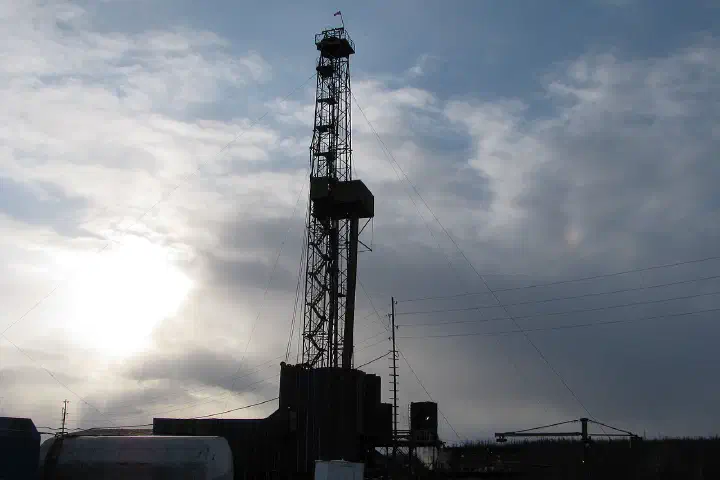
Saudi Arabia will keep its unilateral cut of one million barrels a day in place until the end of the year, and Brent crude is back above $90 a barrel. Riyadh has shown again that it sets the price of oil. The decision is a lesson in cartel discipline, and it pays no attention whatever to Washington's worries about inflation.
A cut that keeps getting longer
The voluntary reduction began in July as a one-month measure, layered on top of cuts OPEC+ had already agreed, and it has been rolled over month by month since. This extension covers three months at once, and Russia matched it by prolonging its own curb on exports to the end of the year. Saudi output now stands around 9 million barrels a day, its lowest in years, so the kingdom is surrendering volume to defend price. For a state paying for an expensive programme of economic diversification, and for giant projects such as the new city of Neom, that trade still pays.
The unilateral cut is the latest layer in a year of tightening. In April several OPEC+ members announced a surprise joint reduction of more than a million barrels a day, and in June the group extended its collective limits through the end of next year before Riyadh added its own cut of a million barrels a day in July. Each step followed a dip in prices, which suggests the kingdom has a floor in mind and is willing to give up market share to hold it. Riyadh has also said it will review the cut every month, leaving room to deepen it as well as reverse it.
Starving the spot market
By holding back physical crude, Saudi Aramco has pushed the futures curve into steep backwardation. Holding stock now loses money, and refiners around the world are drawing down their inventories. America's Strategic Petroleum Reserve is already depleted, so the Biden administration has nothing to hand to offset the cuts. Dearer crude will feed straight into transport costs and push headline inflation back up.
The mechanics are simple. In backwardation a barrel for prompt delivery costs more than one for delivery in a few months, so a trader who buys crude to store it is paying to hold an asset priced to fall. Commercial stocks are sold down rather than built up, which leaves the market thinner and more sensitive to the next disruption. The reserve cannot fill the gap, because the administration released 180 million barrels in 2022 after Russia invaded Ukraine and the stockpile sits at its lowest level since the early 1980s.
The type of crude matters too. Saudi barrels are mostly medium and sour, the grades that yield a large share of diesel and jet fuel when refined. Removing them tightens the market for middle distillates more than for petrol, and diesel stocks in America and Europe were already low after sanctions cut Europe off from Russian refined products. Diesel moves goods by lorry, rail and ship and runs farm machinery, so its price seeps into a broad range of costs well beyond the petrol pump.

How it reaches the Fed
American consumer prices rose 3.2 per cent in the year to July, up from 3 per cent in June, the first acceleration in more than a year. Petrol is the price households notice most, and it colours their expectations of future inflation, which the Fed watches closely. Core inflation, which strips out energy, guides most policy debate, but a rising headline rate makes it harder to claim the job is done. The August figures, due next week, will capture the summer's climb at the pump, and the Fed meets later this month.
Moscow collects the rent
The biggest winner outside Riyadh is Russia. Western governments imposed a $60 price cap on Russian seaborne crude last December, which bars Western shippers and insurers from carrying cargoes sold above that level. The cap was designed for a world in which Russian crude traded at a deep discount. As benchmark prices rise, Russia's own grades have climbed above the cap, and a growing share of its exports now moves on tankers outside Western control. Every dollar Saudi Arabia adds to the price flows partly to the Kremlin's war budget.
The losers are oil importers with weak currencies. India, Pakistan, Turkey and much of Africa buy oil in dollars, and a stronger dollar together with dearer crude raises their import bills twice over. Europe and Japan face a smaller version of the same squeeze just as their central banks hope inflation is past its peak. American shale producers, by contrast, earn more on every barrel, though investors have pressed them to return cash rather than drill heavily, which limits how quickly their output responds.
Limits to the cartel's power
Riyadh's grip has limits, and history shows where they lie. In 1985 Saudi Arabia tired of cutting output while other producers cheated, opened the taps, and prices collapsed the following year. In late 2014 OPEC declined to cut in the face of surging American shale output, and Brent fell below $30 by early 2016. American crude production is again near its record, and Iranian exports have climbed this year despite sanctions, so every dollar added to the price invites more supply from outside the Saudi-Russian arrangement.
Demand is the other constraint. China's recovery since reopening has disappointed, and a weaker Chinese economy would do more to cap prices than any Western diplomacy. Dear oil also hastens the shift away from it that producers fear most over the long run. For now, though, inventories are falling and most spare capacity sits in Saudi hands, which gives the kingdom exactly the pricing power it is exercising.
Washington's position is weak. President Biden visited Jeddah in July 2022 hoping for more supply, and three months later OPEC+ announced a cut of 2 million barrels a day. With the reserve depleted and an election year approaching, the administration has few levers left. Refiners, airlines and hauliers absorb the cost first, and consumers follow at the pump.
OPEC+ ministers are due to meet again in late November, and until then the monthly Saudi reviews are the main decision to watch, alongside weekly American inventory data and China's import figures. Central banks set overnight rates, but Riyadh sets the price of a barrel, and American drivers and the Fed will both feel it before the year is out, most visibly in headline inflation figures that stop falling through the autumn.
Write to Arnav Goel at contact@thelombardreview.com
The Sunday Edition, in your inbox
India's economy, markets and money every Sunday, plus our analysis twice a week. Free.
Unsubscribe any time. See our Privacy Notice.