Thanksgiving: Beef, tariffs and the holiday table
Thanksgiving tables offered a live test of how fast prices respond when a tariff is removed. Beef and coffee were exempted from import tariffs on 14 November, and wholesale and retail prices adjusted with unusual speed in the days that followed.
The exemption was a political act before it was an economic one. It came ten days after Democrats won the off-year elections in Virginia, New Jersey and New York City on the cost of living, and it covered a list of staples that America largely cannot produce for itself, from coffee and bananas to cocoa and spices. Beef was the exception on that list, since domestic ranchers supply most of it, but a shrunken cattle herd had left the market short of the lean meat that hamburger needs.
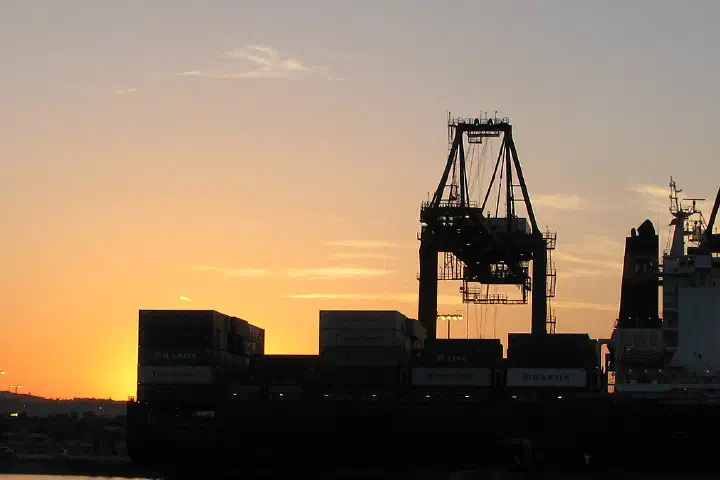
For Brazil the relief came in two steps. Its exports had faced an additional 40 per cent duty since August on top of the general levy, and that extra charge on beef and coffee was lifted only on 20 November. Brazilian coffee in particular therefore reached the holiday period with most of its tariff gone for barely a week.
Food prices move fast
With durable goods and electronics, long supply chains and lengthy manufacturing cycles delay the effect of a tariff for months. Perishable farm goods reprice almost at once. Importers and large food processors immediately revised spot wholesale contracts to reflect the end of the levies, and grocery chains were able to offer steep Thanksgiving discounts.
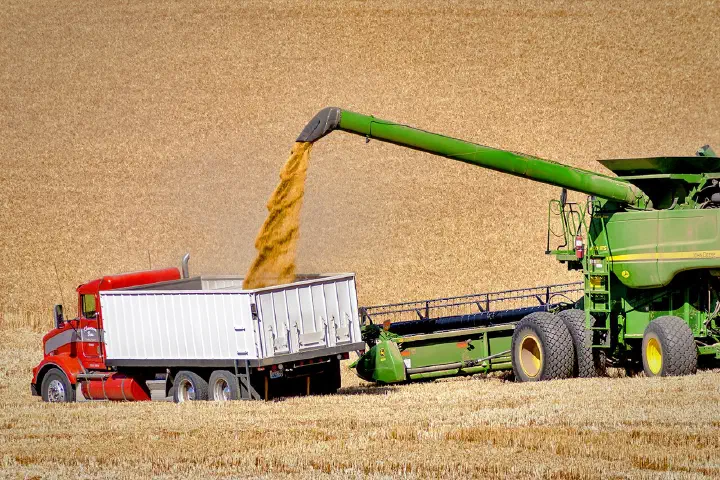
The mechanics explain the speed. Much imported beef arrives as frozen lean trimmings from Australia, Brazil and other exporters, and processors blend it with fatty domestic trim to make ground beef. That trade runs on short contracts priced off current market quotes, so a duty that disappears at the border shows up in the next week's invoices. A television, by contrast, may have been ordered six months ago and sit in a warehouse for weeks, carrying the old tariff with it until it is sold.
Who bore the tariff
The speed of the reversal fits what economists found about the tariffs of 2018 and 2019. Several studies of that episode, including work by economists at the New York Fed and at Princeton and Columbia, concluded that almost all of the cost fell on American buyers rather than foreign exporters, because import prices before duty barely fell. If exporters had absorbed the tariffs, their removal would have raised exporters' margins and left American prices unchanged. Prices falling instead confirms that the duty had been sitting in the American price all along.
Coffee offers a clean way to measure it. The world price of beans is set on futures exchanges and barely registers an American tariff decision, so the useful measure is the gap between the landed price in American ports and the global benchmark. A tariff widens that gap by roughly the size of the duty; its removal should close it. Tracking that premium, rather than the headline price, strips out harvests and weather and isolates the effect of trade policy.
Sticky on the way down
Prices usually fall more slowly than they rise, and tariff history bears that out. When America put duties on imported washing machines in 2018, a study by Federal Reserve economists found that retailers raised the price of dryers too, even though dryers were not taxed, because shoppers buy the two together. Food escapes most of that stickiness. Competition among supermarkets is intense over the holidays, perishable stock cannot wait for a better price, and shoppers compare the cost of a roast every week in a way they never compare the price of a fridge.

Poorer households paid most
The speed of the relief shows how heavily the tariffs had weighed on American households, and how regressive they were. Lower-income households spend nearly thirty per cent of their disposable income on food.
A tariff on food works like a sales tax with no exemptions. A family spending nearly a third of its income at the grocery store bears several times the burden, as a share of income, of one spending a small fraction. Wealthier households also have more room to switch to cheaper cuts or brands, while poorer ones are often already buying the cheapest option. Grocers and food distributors are the other winners from repeal, because lower costs let them run promotions that bring shoppers through the door.
Loss leaders cloud the picture
The strongest objection is that Thanksgiving is a poor laboratory. Supermarkets discount turkeys and holiday staples every year, often below cost, to draw customers who then fill their baskets with full-price items. Some of this year's price cuts would have happened anyway. Turkey, almost all of it raised at home, gained nothing from the exemption. The better evidence lies in wholesale beef and coffee contracts, which moved with the end of the duty rather than the calendar, and those support the case for rapid pass-through.
The official confirmation will come in the next consumer price reports, whose timetable was disrupted by the shutdown, and particularly in the food-at-home index. If retail beef and coffee prices keep falling into December while other groceries hold steady, the tariff effect will be plain. Thanksgiving 2025 showed that food tariffs raise customs revenue quickly but hit the poorest households hardest, which makes them the most politically toxic of taxes. Scrapping them brought lower prices to American dinner tables within about two weeks.
Write to Arnav Goel at contact@thelombardreview.com
The Sunday Edition, in your inbox
India's economy, markets and money every Sunday, plus our analysis twice a week. Free.
Unsubscribe any time. See our Privacy Notice.