The 10-year nears 5% as oil nears $100
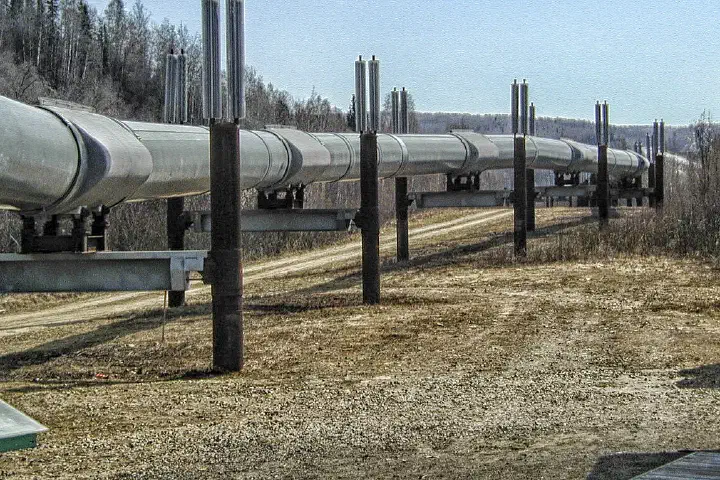
The benchmark 10-year US Treasury yield rose to 4.818 per cent on 2 September, edging closer to the 5.0 per cent mark that traders treat as a line in the sand, while Brent crude sat near $99 a barrel. Long-dated yields are rising faster than short ones, and oil is the main reason.
Oil pushes up long yields
When crude nears a hundred dollars, bond investors start pricing two things at once: stubborn headline inflation and a bigger government borrowing bill. Dearer energy raises federal spending and interest costs, so the Treasury has to sell more coupon debt to a market that wants a fatter term premium before it will hold duration. Productivity has little to do with the rise in the 10-year yield. Inflation is doing most of the work.
Anatomy of a bear steepener
Traders call this pattern a bear steepener: yields rise across the curve, but long ones rise more. It usually means investors are demanding more compensation for inflation and uncertainty over the long run, rather than simply expecting a higher policy rate next year. Short yields are anchored by the Fed's current rate and its likely next few moves. Long yields carry the average of all future short rates plus a term premium, and it is the premium that moves most when a supply shock threatens to keep inflation high for years.
The last episode of this kind came in the late summer and autumn of 2023. The Treasury raised the size of its coupon auctions in August of that year, Fitch cut America's credit rating the same month, and the ten-year yield climbed until it briefly touched 5 per cent in October. It fell back quickly once the Treasury said it would lean more on bills and the Fed signalled it had finished raising rates, which shows how much of such a rise can come from premium rather than from the expected path of policy.
Round numbers matter in bond markets for practical reasons. Options strikes and stop-loss orders cluster around them, so a break through 5 per cent can trigger mechanical selling, and headlines about the highest yields in years prompt investment committees to revisit their allocations. The level last acted as a ceiling in October 2023, which gives traders a reference point in either direction.
The link between oil and long yields runs through expectations as well as the budget. Inflation-protected Treasuries let investors see how much inflation the market is pricing, and a widening gap between nominal and inflation-protected yields at longer maturities would show that dearer oil is lifting expectations for years ahead as well as for the next few monthly prints. That is the measure the Fed watches most closely, because it shows whether a supply shock is becoming entrenched.

Five per cent resets the maths
A 10-year yield near 5 per cent raises the hurdle every other investment has to clear. Property cap rates, private equity return targets and the hurdle rates companies use for new projects will all have to rise to match a risk-free return of five per cent.
Commercial property shows the arithmetic. A building's value is roughly its rental income divided by its cap rate, and investors expect that cap rate to sit some distance above the Treasury yield to compensate for vacancies, maintenance and illiquidity. When the risk-free yield rises and the spread holds, the cap rate rises and the value falls, even if rents are unchanged. Leveraged buyouts face a double squeeze, since their loans are usually priced off short-term rates that stay high while the higher long yield lowers the price at which they can eventually sell.
Households meet the same arithmetic through their mortgages. Thirty-year mortgage rates track the ten-year Treasury plus a spread, so every rise in the benchmark feeds into loan quotes within days, and buyers who had been waiting for cheaper borrowing face the opposite.
Foreign demand is the last piece. Overseas investors hold a large share of marketable Treasuries, and those who hedge their currency exposure pay the gap between American and home short-term rates, which can erase much of the extra yield on offer. When hedged returns look thin, foreign buyers step back and domestic investors must absorb more of each auction at higher yields.
Winners from a higher yield
Not everyone loses. Insurers and pension funds buying new bonds lock in the best long-term yields in years, and defined-benefit pension plans see their liabilities shrink as discount rates rise. Energy producers earn more from dearer oil. Savers in bond funds suffer losses on existing holdings but will earn more on future purchases, which over a long horizon can outweigh the initial hit.
What could stop the climb
The strongest argument against a lasting move above 5 per cent is that yields this high slow the economy. Dearer mortgages and corporate borrowing cut spending and investment, and oil near a hundred dollars itself curbs demand. If growth weakens enough, investors will again buy Treasuries as a haven and long yields will fall. That brake takes months to work, while the auctions and oil prices that drive the premium move every week.
The signals to watch are the results of the monthly ten-year and thirty-year auctions, the August inflation figures, the Fed's September meeting and the price of Brent. With the 10-year near 5 per cent and oil close to a hundred dollars, borrowing will probably keep getting dearer this autumn. Property owners and leveraged buyout firms, whose valuations rest on cheap long-term money, are likely to be marked down first.
Write to Arnav Goel at contact@thelombardreview.com
The Sunday Edition, in your inbox
India's economy, markets and money every Sunday, plus our analysis twice a week. Free.
Unsubscribe any time. See our Privacy Notice.