This time India's inflation isn't the onions
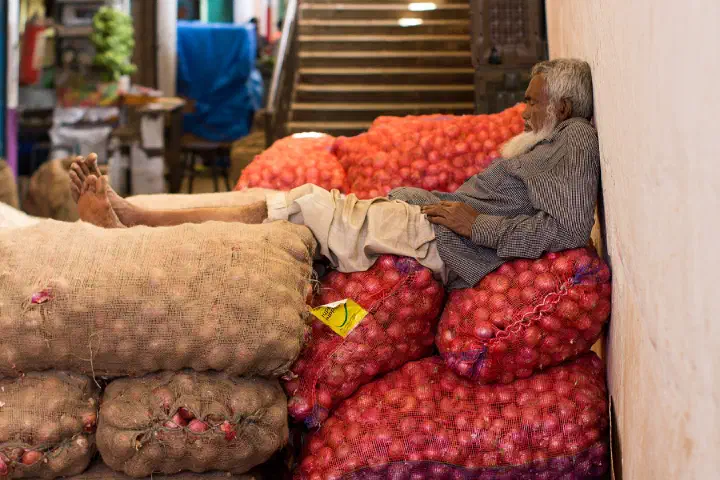
India's consumer prices rose 6.09 per cent in the year to October, up from 5.54 per cent in September, according to provisional figures published by the Ministry of Statistics on November 12. That is above 6 per cent, the top of the band the Reserve Bank of India is meant to keep inflation within, for the first time this year. Food prices rose 8.94 per cent, up from 7.74 per cent. Rural inflation, at 6.63 per cent, ran well ahead of urban inflation at 5.41 per cent.
A month ago the September figure could be explained in large part by onions. October's cannot, and that matters more for the RBI than the headline number itself.
Not the onions this time
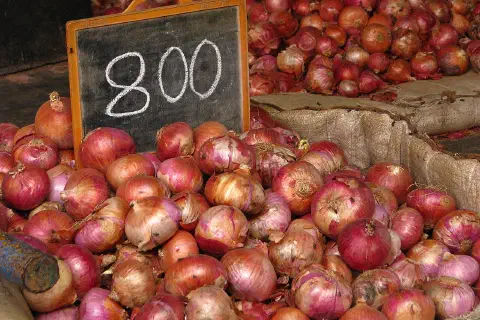
Onions were still the fastest-rising item in the index, 116.22 per cent dearer than a year earlier. But in September they were already up 108.13 per cent, so the acceleration was small. Onions carry a weight of 0.70 per cent in the index. Multiplying that weight by the change in their inflation rate suggests they added only about 0.06 percentage points to the headline rate between September and October. Silver jewellery, whose inflation rate fell from 87.82 per cent to 52.39 per cent, pulled the other way, subtracting roughly 0.1 point. As before, these are rough calculations and should be read as orders of magnitude. Headline inflation rose by 0.55 points. Most of that came from elsewhere.
Nor was it a quirk of the comparison with last year. The index rose from 109.49 in September to 110.05 in October, a monthly increase of about 0.5 per cent. Working backwards from the published annual rates, the index a year earlier barely moved between those two months. Almost all of the rise in the annual rate reflects prices that went up this October.
The ministry's breakdown shows where. Prices at restaurants and hotels rose 10.06 per cent on a year earlier. Personal care, a category that includes gold and silver ornaments, rose 10.14 per cent, although it was the one division where inflation eased, as silver cooled. Transport was up 5.84 per cent. Aditi Nayar, chief economist at ICRA, a ratings agency, said the rise in inflation was broad-based, with 11 of the index's 12 divisions accelerating. Health was the mildest, at 2.05 per cent.
From the kitchen to the menu
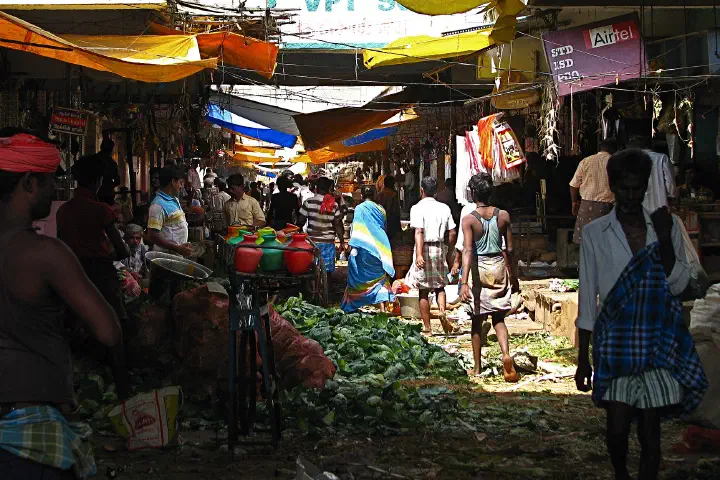
This is the pattern central banks worry about. A supply shock, such as a poor harvest or a jump in fuel costs, raises a handful of prices. Monetary policy can do little about those directly. The danger is that the shock spreads: restaurants pay more for onions, gas and labour and raise menu prices; transport firms pass on higher fuel bills; workers ask for higher wages to keep up. Once that happens, inflation is no longer about one crop.
There is evidence that this is under way. Madan Sabnavis, chief economist at Bank of Baroda, has pointed out that prices went up when cooking gas and other fuels became dearer during the war in West Asia, and that businesses rarely cut them when energy costs fall. He expects transport inflation to stay high because oil marketing companies are unlikely to lower pump prices, even if crude falls to $80 a barrel, after the losses they absorbed when it was higher. He also said consumer-goods firms have begun raising prices, and expects core inflation to reach 4.5 per cent by the end of the year.
The geography points the same way. Food inflation exceeded 10 per cent in five southern states: Kerala, Telangana, Karnataka, Tamil Nadu and Andhra Pradesh. Tamil Nadu had the highest headline rate among the larger states, at 7.29 per cent. The average retail price of onions on November 12 was Rs 53.81 a kilogram, against Rs 26.91 a year earlier; sugar cost Rs 60.40, against Rs 46.59.
All this is happening on an index that gives food less weight than before. In the new series, with 2024 as its base year, food and beverages account for 36.75 per cent of the basket, down from 45.86 per cent in the old one. A food shock now has to be larger, or spread further, to push the headline rate above 6 per cent. October's did.
What the RBI does next
The RBI raised its repo rate by a quarter of a point to 5.50 per cent at its meeting on October 5 to 7 and changed its stance to what it called "calibrated tightening". Its monetary policy committee meets again on December 2 to 4. ICRA expects inflation to average about 6.2 per cent in the October to December quarter, above the committee's own estimate of 6 per cent, and Ms Nayar calls a further quarter-point rise in December almost certain. Mr Sabnavis says the RBI could choose either a quarter or a half point.
The committee will decide before it sees November's figures, which are due on December 14. It also has a formal reason for caution. Under India's inflation-targeting framework, the RBI is deemed to have failed if inflation averages more than 6 per cent for three consecutive quarters, and must then explain itself in writing to the government. One quarter above the line is not a failure. But the October figures suggest the pressure is no longer confined to one vegetable, and a rate rise cannot make it rain. What it can do is make it harder for higher food and fuel costs to become higher prices for everything else.
Write to Arnav Goel at contact@thelombardreview.com
The Sunday Edition, in your inbox
India's economy, markets and money every Sunday, plus our analysis twice a week. Free.
Unsubscribe any time. See our Privacy Notice.