Trump's temporary tariff is about to expire

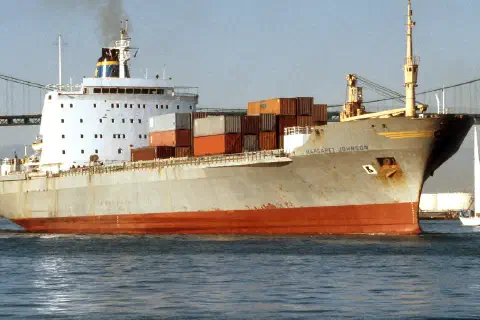
The administration's temporary 10 per cent tariff, imposed under Section 122 of the Trade Act of 1974, lapses by law on 24 July, when its 150-day statutory life runs out. Markets and corporate buyers are counting the days to the end of an unusual interlude.
The clock runs out
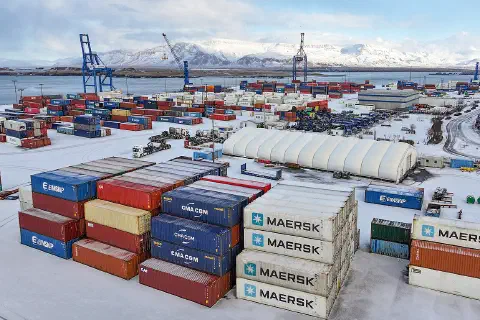
Federal trade law says tariffs imposed under Section 122 end automatically after 150 days unless Congress passes a joint resolution to extend them. Congress is split, and nobody there is pushing for across-the-board tariffs, so the deadline will almost certainly hold. Importers are keeping cargo in bonded warehouses in large quantities, ready to clear customs on 25 July and skip the 10 per cent charge.
Section 122 was written for a different era. Congress added it to the Trade Act in the aftermath of the collapse of the Bretton Woods system, as a tool for dealing with serious balance-of-payments deficits, and capped it at 15 per cent for no more than 150 days. It sat essentially unused for half a century. Its appeal to the administration was speed: it requires no lengthy investigation, so it could be imposed at once. Its weakness was always the same deadline that now looms over importers.
How the warehouse trade works
Bonded warehouses are the legal mechanism behind the wait. Goods entered into a customs bonded warehouse can sit there for up to five years without paying duty, and the duty owed is calculated at the rate in force when they are withdrawn for sale in America, not when they arrived. An importer that brought goods into a warehouse in June and withdraws them on 25 July pays the lower rate that applies on the day of withdrawal.
The trade has costs. Warehouse space near the main ports is tight and storage fees have risen, the goods are unavailable for sale while they wait, and the importer is financing inventory that is not earning anything. For high-value goods the 10 per cent saving comfortably outweighs those costs over a few weeks. For cheap, bulky goods the calculation is closer, and some importers have simply paid the tariff rather than wait. Firms with seasonal goods face a further risk: stock held back for a July release that arrives late for its selling season may have to be discounted, wiping out the duty saved.
What the data will show
The release of stored goods will distort the economic statistics. Imports should surge in the trade figures for late July and August as warehouses empty, widening the trade deficit. In the national accounts, higher imports subtract from GDP growth while the goods that go into inventories add to it, so the net effect depends on how quickly the goods are sold. Economists saw the same pattern in reverse early in 2025, when importers rushed goods in ahead of new tariffs and the import surge was large enough to push first-quarter GDP growth below zero.
Customs revenue will fall for as long as the gap lasts. Tariff receipts have become a meaningful source of federal income over the past year, and their disappearance would widen the deficit at the margin, adding to the Treasury's borrowing needs at a time when it is also paying out court-ordered refunds of earlier duties.
What fills the gap
Trade lawyers warn that the expiry will leave an immediate gap. The White House is unlikely to put up with border duties vanishing altogether, and it will probably reach quickly for other powers under Section 301 or Section 232. Neither is instant. A Section 301 action requires an investigation by the Trade Representative into a specific foreign practice, with public notice and comment. A Section 232 action requires a Commerce Department investigation into a national-security threat from particular imports, and the statute allows up to 270 days for the report.
That is why the administration has been preparing the ground in advance. Investigations opened in the spring could be completed and acted upon soon after the Section 122 duty lapses, which would leave only a short window of lower rates. The replacement tariffs are likely to be narrower in coverage than a flat 10 per cent on everything, but they could be higher on the products and countries they target.
Retailers and wholesalers with goods already in bonded storage are the obvious winners, particularly those preparing for the autumn and holiday season, who can clear stock at the lower rate just as they need it. Freight forwarders and warehouse operators have earned fees from the waiting game. The losers are importers who could not afford to wait and paid the tariff, and domestic producers who had enjoyed some shelter from import competition. Consumers gain little: retailers that saved the duty are more likely to rebuild margins squeezed over the past year than to cut shelf prices for a window that may last only weeks.
The case against a clean expiry
The risk to the call is that the administration finds a way to keep a general tariff in place without a gap, perhaps by issuing a fresh proclamation under a different authority on the day the old one lapses. That is possible. Any such move would face immediate legal challenge, however, and the courts have shown over the past year that they are willing to scrutinise the legal basis of emergency tariffs closely. Importers are betting that at least a brief window will open, and the statutory deadline makes that a reasonable bet.
What to watch
The signals are in the Federal Register and the Trade Representative's docket. Notices announcing the conclusion of Section 301 investigations, or new Section 232 proclamations, will show how quickly replacements are coming. Weekly data on port volumes and warehouse withdrawals will show how much cargo has been waiting for the deadline.
Importers should clear what they can on 25 July, because the duty-free window will probably be short and replacement tariffs under Section 301 or Section 232 could follow within weeks. The trade deficit will widen in the August figures, and any consumer price relief from the lapse is likely to be over before it shows up in the inflation data.
Write to Arnav Goel at contact@thelombardreview.com
The Sunday Edition, in your inbox
India's economy, markets and money every Sunday, plus our analysis twice a week. Free.
Unsubscribe any time. See our Privacy Notice.