Warsh speaks, bonds sell
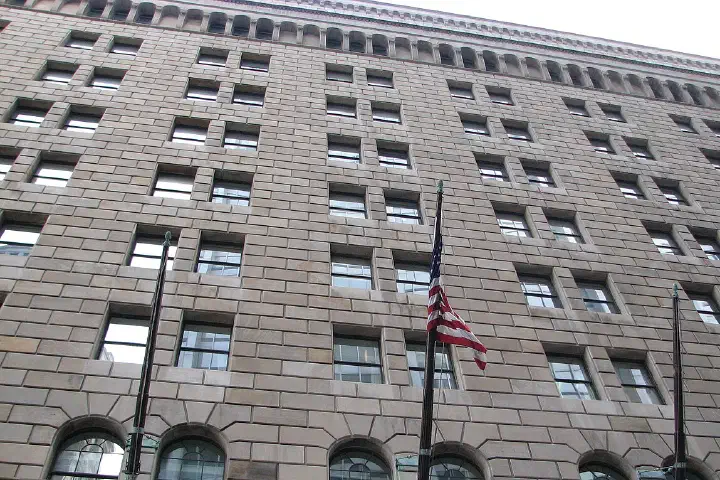
Kevin Warsh gave his first big public speech as Federal Reserve chairman at a monetary policy conference on 25 August, and bond investors did not like it. His remarks were plainly hawkish, and benchmark 10-year Treasury yields climbed through the session as traders digested them.
No looking through shocks
Anyone still hoping for easier money got little comfort. Warsh said price stability is the precondition for lasting prosperity and that the Fed would not hesitate to raise rates and shrink its balance sheet quickly if that was what it took to bring inflation expectations down. He also went out of his way to reject the idea that the central bank should 'look through' supply shocks from energy prices and tariffs.
That rejection is the heart of the speech. Central banks have usually treated jumps in energy prices and tariffs as one-off shifts in the price level, since higher rates cannot produce more oil or remove a duty, and tightening against a supply shock adds lost jobs to the loss of real income households already bear. The doctrine works only if the public trusts that inflation will return to target once the shock passes. After inflation has run above the Fed's 2 per cent goal since 2021, a chair who declines to rely on that trust is telling markets he will act on the price data rather than wait for them to improve.
Traders dump long bonds
Bond desks sold intermediate and long-dated Treasuries hard. Warsh made clear the Fed is ready to push rates higher even as government deficits keep growing, and investors responded by demanding a bigger premium for holding duration against inflation risk.
A hawkish speech normally lifts short yields most, because it changes the expected path of the policy rate over the next year or two. The ten-year moved as well for a second reason. When the Fed lets bonds mature without reinvesting the proceeds, the Treasury must sell more debt to private investors to repay it, and those investors have to be paid to hold the duration the central bank no longer holds. Talking about rate rises and faster balance-sheet reduction in the same breath signals pressure at both ends of the curve.
The stance fits his record. As a governor Warsh voiced public doubts about the Fed's second round of bond purchases in 2010 and left the board the following year, and he has since criticised the size of the central bank's balance sheet. Investors who read that history expected a hawk. The speech told them the job had not softened him.
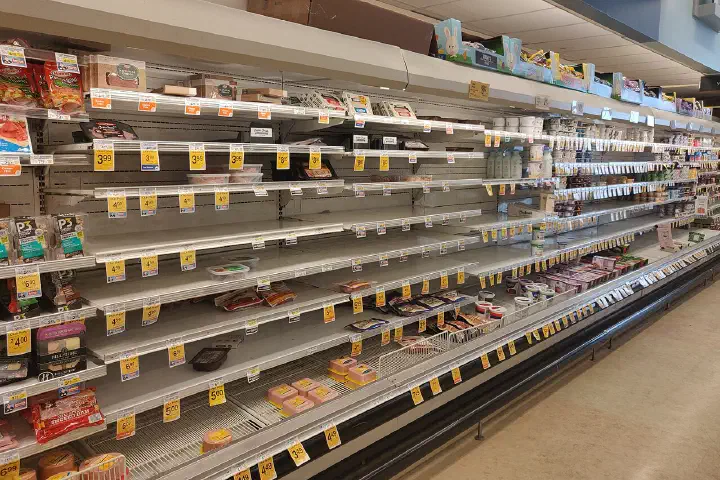
Housing takes its cue from the ten-year. Thirty-year mortgage rates are priced off long Treasury yields plus a spread that covers the risk of early repayment, so a sustained rise in the benchmark reaches buyers within days. A market in which many owners are locked into cheaper loans from earlier years has little slack to absorb it, and sales of existing homes tend to fall when rates rise.
The speech travelled abroad as well. A Fed that promises to tighten into a supply shock widens the gap between American rates and those in Europe and Japan, which tends to lift the dollar, and higher Treasury yields push up borrowing costs in bond markets priced off them. Governments and companies in emerging markets that borrow in dollars pay twice, through higher yields and a dearer currency to repay in.
A short speech with long effects
Fed chairs have used a single address to reset expectations before. In August 2022 Jerome Powell gave a brief speech at Jackson Hole whose only message was that the Fed would keep raising rates until inflation was under control, even at some cost to growth, and shares fell sharply that afternoon. The Fed then delivered further increases of 75 basis points in September and November. Markets that had hoped for an early pivot spent the following months pricing the opposite.
The repricing sorts winners from losers quickly. Savers and buyers of new bonds lock in higher yields, the dollar tends to firm, and pension funds see the value of their liabilities fall as discount rates rise. Existing holders of long Treasuries, homebuyers whose mortgage rates follow the ten-year, and companies planning to borrow for long-lived projects all pay more.
Equity investors take the same hit through valuations. A higher long-term yield raises the discount rate applied to future profits, so shares whose value rests on earnings far in the future lose most, while companies with steady cash flow and little debt hold up better.
A credibility dividend, later
There is a paradox in the market's reaction. A central bank that proves it will fight inflation should, over time, reduce the inflation risk that investors are paid to bear, and that would eventually pull the term premium down. The sell-off suggests investors believe the tough talk will raise rates in the near term but doubt it can offset deficits and supply shocks in the long term. That doubt can fade if inflation falls, which is the strongest argument that the pain for bondholders will not last indefinitely.
The tests are the next consumer-price reports, the September meeting and any announcement on the pace of balance-sheet reduction. Estimates of the term premium, such as the model published by the New York Fed, will show whether the rise in long yields reflects the expected path of rates or a demand for extra compensation. Warsh has told the market he will fight inflation even at the cost of higher borrowing costs. Holders of long-dated Treasuries are likely to bear most of the pain, probably for as long as he keeps talking this way.
Write to Arnav Goel at contact@thelombardreview.com
The Sunday Edition, in your inbox
India's economy, markets and money every Sunday, plus our analysis twice a week. Free.
Unsubscribe any time. See our Privacy Notice.