Which companies can pass on higher costs
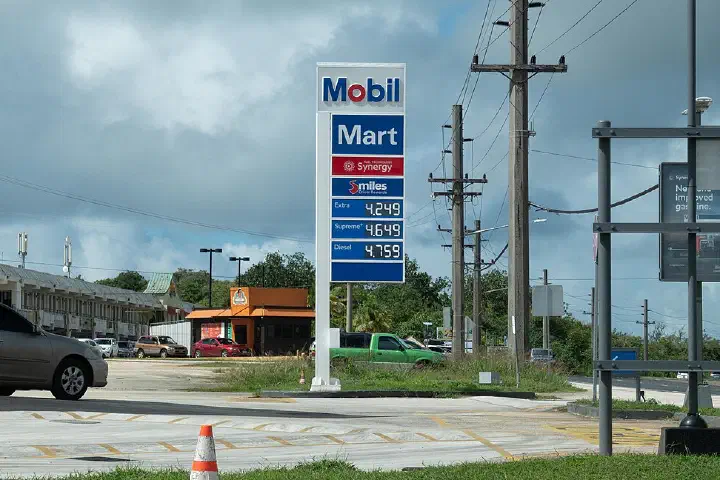
Headline consumer price inflation picked up again in July to 3.4 per cent year on year. With crude at a hundred dollars and tariffs on nearly every import, the figures put a hard question to management teams: which companies can still raise prices without losing customers?
Some can, some cannot
Company filings show a sharp split. Makers of essential industrial software, specialist enterprise automation firms and defence contractors passed higher input and energy costs straight on to their corporate customers and lost no volume at all. Makers of commodity packaged goods, casual-dining chains and clothing retailers saw margins shrink at once, as price-conscious shoppers baulked at higher prices.
The dividing line is how easily a customer can walk away. Industrial software that runs a factory or a payroll system is costly and risky to replace, and its price is a small share of the customer's total costs, so a rise is irritating but rarely decisive. Defence contractors often work under long contracts with clauses that adjust prices for inflation, and their customer, the government, buys on capability more than cost. A box of cereal or a pair of jeans has close substitutes on the next shelf, including the retailer's own brand.
Investors can measure the difference in the numbers companies already publish. Consumer-goods firms usually split sales growth into price and volume, and a quarter in which price rises while volume falls shows a company trading customers for margin. Gross margin is the other tell: a firm with real pricing power keeps it steady as input costs rise, while a price-taker watches it shrink first and cuts marketing or headcount afterwards to protect operating profit.

Oil and tariffs widen the gap
Tariffs sharpen the divide. A levy on imported components raises costs for every competitor at once, which gives a firm with captive customers cover to pass the increase on, but a consumer brand whose shoppers can trade down or skip the purchase gets no such cover. Dearer energy works the same way, lifting freight, packaging and refrigeration costs that the price-takers have to swallow.
Why 2021 will not repeat
In 2021 and 2022 many consumer brands pushed through repeated price increases with little loss of volume, helped by savings built up during the pandemic and by the cover of inflation that was everywhere. By 2023 volumes at many of the same firms were falling as shoppers traded down to store brands and cheaper formats. This time the cushion of excess savings has gone, and households face an energy shock and tariffs together, so the patience that helped brands in 2021 is unlikely to return.
Shrinking the pack is the other route the last cycle made familiar. Selling fewer grams for the same price protects the shelf price that shoppers notice, but it no longer hides the increase from the statistics, because the Bureau of Labor Statistics counts a smaller package at an unchanged price as a price rise. It also works only once or twice before the product looks meagre next to rivals and store brands, so it buys time rather than pricing power.
Price-takers pay
For the price-takers, putting up prices to protect margins cost them sales straight away, and managers fell back on discounts and coupons. Promotions keep volume but hand back much of the price rise, and fixed costs such as rent and wages spread over lower sales push operating margins down faster than revenue. Casual-dining chains carry the extra burden that their real competitor is the home kitchen, which becomes relatively cheaper whenever menu prices rise faster than groceries.

The shift creates other winners. Discount retailers and makers of private-label goods gain as shoppers trade down, and firms that sell to other businesses on multi-year contracts gain time before customers can renegotiate. Suppliers to the squeezed consumer brands are likely to feel the pressure next, as their customers push costs back up the chain.
Capital markets draw the same line. Investors have long paid higher valuation multiples for companies with steady margins and recurring revenue, on the view that their profits hold up through inflation, and an energy shock tests whether that premium is earned. Lenders apply similar logic: a firm that protects its margins keeps its interest coverage intact, while a price-taker facing lower profits and dearer borrowing at the same time risks a lower credit rating.
Where pricing power could crack
The case against the split is that pricing power in business markets is only as strong as customers' budgets. If the oil shock tips the economy into a slowdown, companies cut software seats and delay automation projects, and a defence budget is set in Washington rather than by the market. A single quarter of filings may also flatter the winners, because hedges and supply contracts can delay the moment when higher input costs reach the income statement. Even so, firms with high switching costs start from a stronger position.
The third-quarter reporting season in October will test the split, and the numbers to watch are volumes alongside prices and gross margins alongside revenue. The gap between producer and consumer prices shows how much cost is being absorbed along the chain, and consumers' inflation expectations show how much more they will tolerate. After July's 3.4 per cent reading, firms that sell something customers cannot easily replace should hold their margins, while consumer brands with ready substitutes will probably see profits squeezed for the rest of the year.
Write to Arnav Goel at contact@thelombardreview.com
The Sunday Edition, in your inbox
India's economy, markets and money every Sunday, plus our analysis twice a week. Free.
Unsubscribe any time. See our Privacy Notice.