Who deserves the tariff refund?
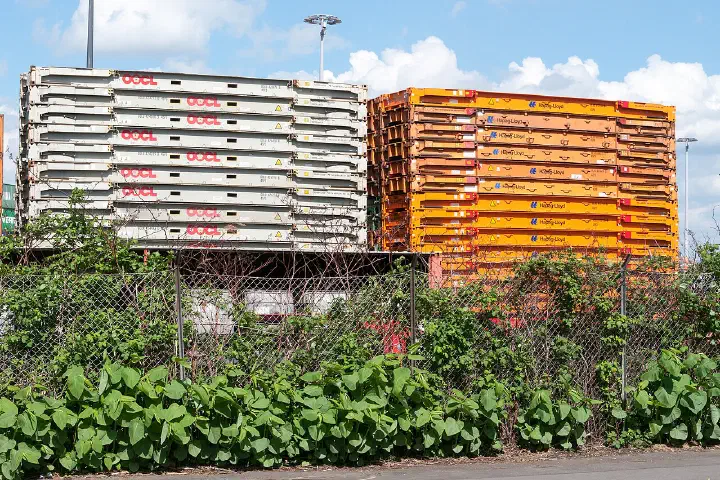
The fight over the $166 billion tariff refund has moved to court. Downstream industrial buyers, component makers and commercial distributors have filed large class-action suits demanding that importers of record hand over what the plaintiffs call a judicial windfall.
Who paid the duty
The case turns on unjust enrichment. For the past eighteen months the big importers of record, retail chains and carmakers among them, passed tariff costs down the supply chain, often as an explicit line-item "tariff surcharge" on customer invoices. Their customers now argue that an importer which has already recovered the cost from them cannot lawfully keep 100 per cent of the federal refund as well. It is a tidy argument, and a hard one to rebut from the invoices alone.
Customs law gives the importers a strong opening position. The importer of record is the party legally liable for duty, the party that paid Customs and Border Protection, and the party to which the government sends the refund. Nothing in the refund process asks who bore the cost in the end. The plaintiffs are trying to fill that silence by arguing that a legal right to the cheque differs from an equitable right to keep it.
The choice of doctrine matters. Unjust enrichment is largely a creature of state law, so the suits will be heard under a patchwork of state rules rather than one federal standard. A claim that succeeds in one state on a given set of invoices may fail in another, which invites plaintiffs to pick their forum and importers to fight over where each case belongs before anyone argues the merits.
Washington has been here before
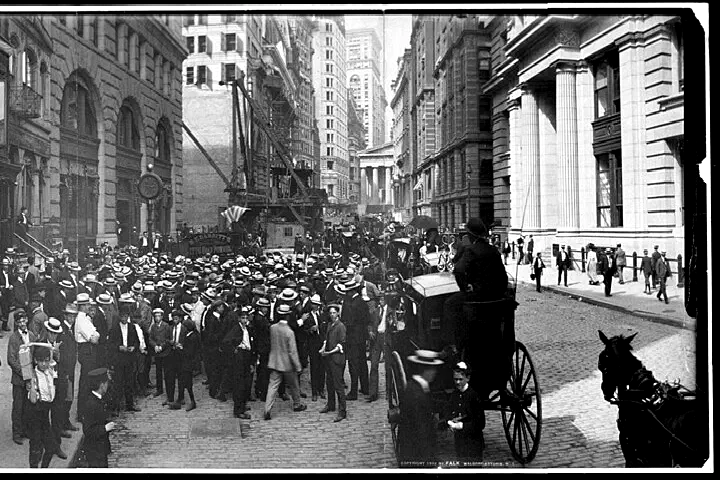
In 1936 the Supreme Court struck down the processing taxes levied under the Agricultural Adjustment Act, and processors who had passed those taxes on to consumers suddenly stood to recover money they had never really borne. Congress answered with a special tax on unjust enrichment in the Revenue Act of 1936, clawing back much of the windfall rather than leaving customers to chase it in court. Federal excise-tax law later built the same principle into its refund rules, which require a manufacturer to show that it did not pass a tax on, or that it has repaid its customers, before it can reclaim an overpayment. Customs duties carry no equivalent test, which is why the question has landed with judges.
Why courts dislike tracing
The plaintiffs also face precedent that cuts the other way. In the Hanover Shoe and Illinois Brick decisions of 1968 and 1977, the Supreme Court refused to let antitrust defendants argue that overcharges had been passed on, and barred most indirect buyers from suing for damages under federal antitrust law. The reasoning was practical: tracing a cost through every link of a supply chain invites endless argument over who absorbed what. Importers will lean on that logic, arguing that a surcharge is simply part of a negotiated price and that many of them also swallowed part of the duty in thinner margins.
The analogy is imperfect, and plaintiffs will say so. Illinois Brick governs federal antitrust damages, and many states responded to it by passing laws that let indirect purchasers sue under their own competition statutes. That history suggests state courts are not instinctively hostile to pass-through claims, and it gives plaintiffs a respectable answer when importers invoke the difficulty of tracing.
That defence is strongest where prices were set in bulk and weakest where the invoice itemised the duty. A separate surcharge line is close to an admission that the customer paid a specific tax, and it hands plaintiffs a clean way to calculate damages. Class certification is harder, since terms differ from contract to contract and a court must be satisfied that common questions outweigh individual ones. Many supply agreements also carry arbitration clauses, which splits one large dispute into many private ones.
Partners become plaintiffs
Relations between manufacturers, wholesalers and retailers are dissolving into discovery requests. Billions of dollars in refund cheques sit frozen in judicial escrow while complicated commercial arbitrations run their course.

The commercial cost may outlast the legal one. Suppliers and customers who sue each other still have to agree next season's prices, and every future contract will now carry language on who keeps a refund if a duty is later struck down. Buyers with bargaining power will insist on refund-sharing clauses; smaller buyers will take what they are offered. The dispute is already rewriting how tariff risk is priced into supply agreements.
Earnings on hold
Accounting adds to the delay. American rules do not let a company book a contingent gain until it is realised, so a refund tied up in litigation cannot flow into earnings, however confident the importer is of winning. Shareholders who bought retailers in the hope of a refund windfall will have to wait. So will customers carrying the surcharge in their own costs, and neither side can plan capital spending around money that a court may yet reassign.
Tax adds another wrinkle. Duties paid were deducted as part of the cost of goods sold, and a recovery of a previously deducted cost is generally taxable when it arrives. An importer forced to hand part of the refund to customers would want that payment treated as a deduction in the same year, and any mismatch in timing leaves one side paying tax on money it may not keep.
The losers are easy to name. The final consumers who paid higher shelf prices have no practical claim at all, since no one will trace a surcharge through to a checkout receipt. The winners, for now, are litigation lawyers and the escrow agents holding the money, both paid while the principals wait.
What would end it
What would shorten the wait is a legislative fix along the lines of 1936, a few early rulings on motions to dismiss that set the terms for everyone else, or large settlements that split the money by formula. None looks imminent. The $166 billion will probably spend years in escrow rather than on balance sheets, and the importers and customers who shared the tariff bill will spend much of that time suing each other for it.
Write to Arnav Goel at contact@thelombardreview.com
The Sunday Edition, in your inbox
India's economy, markets and money every Sunday, plus our analysis twice a week. Free.
Unsubscribe any time. See our Privacy Notice.