Why Treasury buybacks can't cap the 10-year
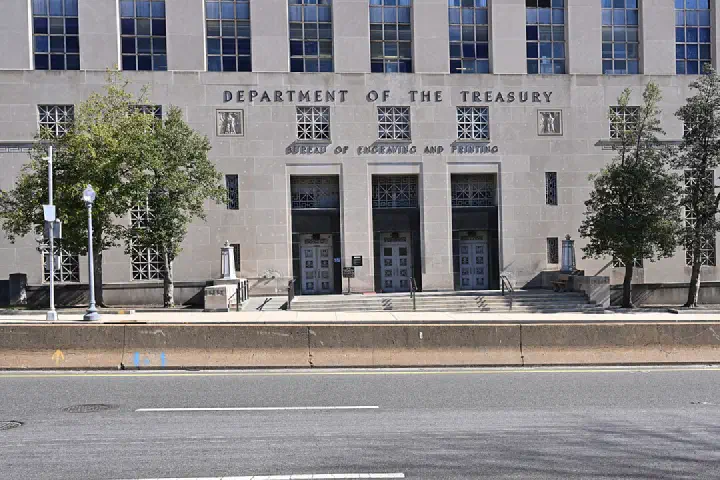
The yield on the 10-year Treasury note rose to about 5.2 per cent on Monday, its highest level since July 2007, after closing last week at around 5.18 per cent. It is up 0.45 percentage points in a month and 1.06 points in a year. The Treasury has tried to lean against the move. Scott Bessent, the Treasury secretary, has stepped up the department's buybacks of older government bonds, and the bond market has so far paid them almost no attention.
What a buyback actually does
A Treasury buyback is a swap, not a repayment. The Treasury buys back older, thinly traded notes and bonds, known as off-the-run issues, and pays for them by selling new debt, usually bills. The total the government owes barely changes. What changes is the mix: a little less long-dated paper in private hands, a little more short-dated paper, and better liquidity in corners of the market where dealers struggle to trade.
That last effect was the original point. When the Treasury restarted regular buybacks in 2024, it presented them as a tool for market functioning and cash management, not for steering yields. Using them to hold down the 10-year asks the programme to do a job it was not designed for. The operations are small next to the stream of new coupon debt the Treasury sells every month, and the securities they retire are the ones investors were least keen to hold anyway.
Two engines, neither touched
The sell-off has two drivers, and buybacks reach neither. The first is the path of policy. The Fed raised its target range to 3.75–4.00 per cent on 18 September, and futures now put the odds of another rise in October at roughly two in three. The data keep handing arguments to the hawks. New orders for core capital goods rose more than forecast in August, and the University of Michigan's September survey showed a sharp jump in the inflation that households expect.
The second driver is the term premium, the extra return investors demand for locking money into long bonds instead of rolling over bills. It has widened because the reasons to worry about holding duration have piled up. Federal deficits remain large at a time of low unemployment, which means heavy issuance with no recession to excuse it. Oil prices have been pushed up by the confrontation with Iran over the Strait of Hormuz, and talks between Washington and Tehran have produced no concrete progress. Each week without a deal keeps an inflation risk built into the price of long-dated debt.
Buybacks do nothing about either. They do not change what the Fed will do in October, and they do not change how much the government must borrow over the next decade. At best they shave a few basis points off the yields of the specific old bonds being bought.
What history suggests
Governments have tried to bend the long end before. In September 2011 the Fed announced a $400 billion programme to sell short-dated Treasuries and buy long ones, nicknamed Operation Twist after a 1961 predecessor. Long yields did fall in the months that followed, though the euro-zone crisis was driving money into Treasuries at the same time. In that episode the Fed was a large, price-insensitive buyer, inflation was low and investors were hungry for safe assets. The current buybacks share none of those conditions. They are small, they are paid for with more borrowing, and they arrive while inflation expectations are rising.
The Treasury's earlier buybacks, between 2000 and 2002, are an even weaker guide. Washington was running budget surpluses then and was retiring debt it no longer needed. Today it buys back old bonds with the proceeds of new ones.

Who pays at 5.2 per cent
The damage spreads well beyond bond funds. Mortgage rates are priced off the 10-year with a spread on top, so buyers face borrowing costs that have shut many of them out of the housing market. Companies that locked in cheap funding in 2020 and 2021 are now rolling that debt at far higher coupons, the refinancing problem this column described on Friday. Banks that bought long securities in the low-rate years are watching their paper losses grow again.
The largest borrower of all is the Treasury itself. Every rise in yields feeds into the cost of new issuance and, over time, into the interest bill on the whole debt. That widens the deficit that helped push yields up in the first place, a loop that buybacks cannot break. The clear winners are savers in bills and money-market funds, who are earning around 4 per cent with no duration risk and little reason to move out along the curve.
The case for a turn
The best argument against further losses is that high yields eventually slow the economy they are pricing. Housing and small-business borrowing are already sensitive to rates at this level, and a weak jobs report could pull expectations for more Fed hikes back quickly. Pension funds and insurers, which match long-dated liabilities, find government bonds yielding above 5 per cent far more attractive than they did at 2 per cent, and foreign reserve managers may take the same view. Those buyers will put a floor under prices at some point. For now none of them is in a hurry, because inflation expectations are still drifting up and the Fed has not signalled it is done.
What to watch this week
The calendar is heavy. August's personal consumption expenditures price index, the Fed's preferred inflation gauge, comes out this week alongside figures on personal income and spending. The ISM surveys of manufacturing and services follow, and the September jobs report lands on Friday. A hot inflation reading or strong payrolls would lift the odds of an October hike further. Any movement in the Iran talks would show up first in oil and then in break-even inflation rates. Further out, the Treasury's next quarterly refunding statement, due in early November, will show whether it plans to lean more heavily on bills to relieve the long end. That would be a far bigger lever than buybacks.
Buybacks are a plumbing tool being asked to do a policy job. They can make old bonds easier to trade, but they cannot change how much Washington borrows or what investors expect inflation to be. Unless this week's inflation and jobs data give the Fed a reason to pause, the 10-year is more likely to test higher levels this autumn than to settle back below 5 per cent, and the Treasury's shopping list will not change that.
Write to The Lombard Review at contact@thelombardreview.com