Special Report
Labor Day: Hiring is strong enough to worry the Fed
The August employment report, landing just before Labor Day, showed an American jobs market in fine health.
The August employment report, landing just before Labor Day, showed an American jobs market in fine health.
Under the new Section 301 regime, the average tariff paid on goods entering America has settled into two tiers, according to a detailed review of federal trade policy.
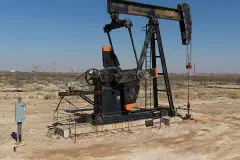
The US Strategic Petroleum Reserve (SPR) has fallen to its lowest level since 1983, according to Department of Energy figures.
American crude output is running close to record highs, and total US petroleum stocks, including the Strategic Petroleum Reserve, still fell by 79 million barrels over the spring.
Brent crude sat between $105 and $108 over Memorial Day weekend, and the average price of petrol at American pumps topped $4.60 a gallon.
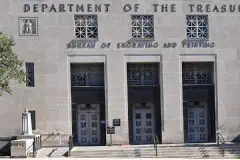
The Treasury switched on the Customs Automated Protest Entity (CAPE) on 20 April.
Thanksgiving tables offered a live test of how fast prices respond when a tariff is removed.
The American labour market reached Labor Day in an uncomfortable state, with hiring largely frozen but few large layoffs.
While the country celebrated Independence Day, the non-partisan budget scorekeepers delivered a grim verdict on the new fiscal law.
America marked Memorial Day with a fresh downgrade to Aa1 from Moody's and with Congress pushing ahead on another fiscal package worth several trillion dollars that would widen federal deficits further.
Moody's Investors Service cut the federal government's long-term issuer rating from Aaa to Aa1 on 16 May, taking away America's last top-grade sovereign credit rating.
Washington and Beijing surprised markets with a 90-day trade truce that rolls back their triple-digit tariffs to an interim level.
The US Dollar Index has dropped to a three-year low near 98, and traders on currency and government bond desks around the world have started talking about a 'Sell America' trade.
The White House has put a 25 per cent tariff on imported steel and aluminium and scrapped the exemptions that long covered friendly suppliers.
The United States ended fiscal year 2024 with a budget deficit of $1.83 trillion, or 6.4 per cent of GDP, at a time of peacetime full employment.
The White House has formally blocked Nippon Steel’s proposed $14.9 billion takeover of United States Steel, putting domestic industrial politics ahead of cross-border capital.
The average cost of a traditional Thanksgiving dinner for ten fell five per cent to $58.08 this year, according to the American Farm Bureau Federation's annual survey.
Donald Trump has formally restated his plan for a sixty per cent tariff on all imports from China, a shock without modern parallel for US trade.
The unemployment rate reached 4.3 per cent in July, nearly a full percentage point above its low for the cycle.
On 21 August the Bureau of Labor Statistics published preliminary benchmark revisions showing that US non-farm payrolls had been overstated by 818,000 jobs in the twelve months to March 2024.
The dollar's share of allocated global foreign exchange reserves has slipped to roughly fifty-eight per cent, its lowest in nearly three decades, according to the International Monetary Fund's COFER data.
The Congressional Budget Office's updated baseline puts the federal deficit above $1.5 trillion in 2024, rising toward $2.6 trillion over the coming decade, and that is before Congress passes anything new.
American petrol prices averaged roughly $3.59 a gallon going into Memorial Day weekend, the unofficial start of the summer driving season, and motorists have no hedge.
Nippon Steel has offered $14.9 billion for US Steel, or $55 a share, a forty per cent premium that the industrial logic can easily justify.
Black Friday found American shops with tidy shelves, sensible stock levels and hardly any panic clearance sales.
The ten-year Treasury yield has fallen from its October peak of 5.02 per cent to about 4.40 per cent, handing bond funds large mark-to-market gains just in time for Thanksgiving.
Moody's Investors Service cut its outlook on America's Aaa credit rating from 'stable' to 'negative' on 10 November.
Congress passed a 45-day continuing resolution on 30 September and avoided a federal government shutdown with hours to spare.
For eighteen months economic orthodoxy held that bringing inflation down would require a painful jump in unemployment.
The federal deficit is approaching six per cent of GDP while unemployment sits near a historic low of 3.5 per cent.
Fitch Ratings cut the United States from AAA to AA+ on 1 August, an unwelcome reminder of the fiscal arithmetic.
Through the CHIPS and Science Act and the Inflation Reduction Act, Washington is handing out tens of billions of dollars in grants, loans and tax credits to bring factories home.
Negotiators agreed on 27 May to suspend the debt ceiling, and Washington's political drama ended in its usual anticlimax.
The Federal Reserve Bank of San Francisco reckons that about $500 billion of the $2.1 trillion in excess pandemic savings is left, and that it will be spent by late summer.
Janet Yellen told congressional leaders that the federal government could run out of cash "as early as 1 June", turning the debt-ceiling standoff into an immediate problem for the plumbing of the financial system.
The spread on one-year US sovereign credit default swaps (CDS) rose past 100 basis points in late April.
America's commercial banks are sitting on roughly $620 billion of unrealised losses on their securities portfolios, according to recent figures from the Federal Deposit Insurance Corporation (FDIC).
The United States hit its $31.4 trillion statutory borrowing limit on 19 January, and Treasury Secretary Janet Yellen began the "extraordinary measures" that keep the government paying its bills.
US credit card balances reached $930 billion in the third quarter of 2022, according to the Federal Reserve Bank of New York's latest household debt report, up fifteen per cent on a year earlier.
A classic Thanksgiving dinner for ten now costs an average of $64.05, according to the American Farm Bureau Federation's annual survey, twenty per cent more than it did a year ago.