China finally promises to loosen up

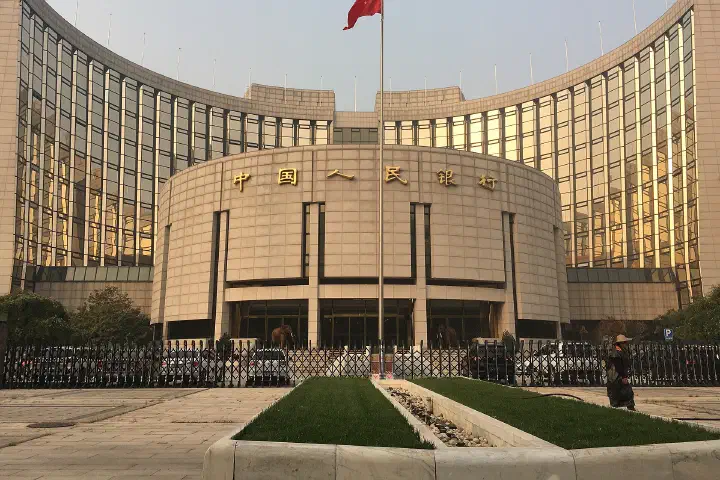
After a Politburo meeting on 9 December, Beijing changed its official monetary stance from 'prudent' to 'moderately loose', the boldest shift in its policy language for a decade. Leaders also promised 'extraordinary counter-cyclical measures' in 2025 to revive the economy and steady the troubled property market.
The phrase has history. China last described its monetary policy as moderately loose during the global financial crisis, when it paired the label with a stimulus programme of 4 trillion yuan that sent credit surging through the economy. It dropped the wording as inflation and property prices took off. Reviving it is a signal that the leadership now worries more about deflation than about debt.
How the slump took hold
China's troubles began in the property market, which at its peak drove a large share of economic activity. After Beijing moved in 2020 to curb borrowing by developers, the sector's weakest firms began to default. Country Garden failed to pay its bonds last year, and in January a Hong Kong court ordered the liquidation of Evergrande. Home sales and prices have fallen for years, and because property is where most Chinese households keep their wealth, the slump has made them cautious about spending.
The result is a mild but persistent deflation. Consumer prices rose just 0.2 per cent in the year to November, factory-gate prices have been falling for more than two years, and the broadest measure of prices across the economy has been negative for over a year. Falling prices raise the real burden of debt, so companies and local governments cut spending and hiring, which pushes prices down further.

Stronger words, same doubts
The new wording suggests China’s leaders now see how dangerous compounding debt deflation has become. Markets have learned to be wary of promises, though. Cheaper money no longer gets through to borrowers. Until the central government commits trillions to direct transfers for households and to clearing developers’ bad debts, confidence is unlikely to return on the strength of words.
The autumn showed both the power and the limits of announcements. In late September the People's Bank of China cut interest rates and banks' reserve requirements, lowered rates on existing mortgages and created facilities to help investors buy shares. Chinese stocks surged in a matter of days. The rally faded once investors realised the fiscal support they hoped for was slow to come. In November the legislature approved a 10 trillion yuan programme to refinance local governments' hidden debts, which eases pressure on their budgets but adds little new spending.
Why cheap money is not enough
The problem is demand for credit, not its supply. Households worried about falling house prices and job security are paying down mortgages rather than taking new ones, and private businesses see little reason to invest while their customers retrench. Lower rates make borrowing cheaper for people who do not want to borrow. Economists call this a liquidity trap, and Japan in the 1990s is the classic example: years of rate cuts did little while companies repaired their balance sheets and prices drifted lower.
Government bond yields tell the story. They have fallen to record lows, which reflects investors' expectation that deflation and weak growth will last, and that the central bank will keep easing. A central bank that promises looser money into falling yields is chasing the market rather than leading it.
The case for taking Beijing at its word
There is a fair argument that this time is different. The Politburo does not change its language casually, and the combination of monetary easing, the local debt swap and an explicit pledge of extraordinary measures points to a leadership that has accepted the need to act. China's central government carries relatively little debt of its own, so it has room to borrow and spend. If that room is used for direct support to households, through higher pensions, child benefits or subsidies for consumption, demand could recover.
The sceptics' reply is that Beijing has long preferred to support supply, through factories and infrastructure, rather than hand money to consumers. The coming months will show whether that preference has changed.
Outside pressures
The timing is not accidental. Donald Trump has promised steep tariffs on Chinese goods and said last month that he would add an extra 10 per cent as soon as he takes office. Exports have been one of the few sources of growth in China this year, and higher American duties would hit them. Looser policy also tends to weaken the yuan, which cushions exporters but risks provoking Washington. Commodity producers such as Australia, and European firms that sell to Chinese consumers, would gain most from a genuine revival of Chinese demand.
What to watch
The annual Central Economic Work Conference, expected this week, will set out priorities in more detail. The decisive numbers will come at the National People's Congress in March: the official budget deficit target, which has been set at 3 per cent of GDP this year, and the quota for special government bonds. A deficit target well above that level, with money earmarked for households, would signal that the words are being backed by cash.
The shift to 'moderately loose' shows Beijing is worried. Investors should wait to see the money before believing it; talk alone will not end deflation, and only a large fiscal package probably can. Unless the March congress sets a markedly higher deficit and directs a large share of it to households, expect deflation to persist through 2025, with Chinese bond yields pinned near record lows and households still hoarding cash rather than spending it.
Write to Arnav Goel at contact@thelombardreview.com
The Sunday Edition, in your inbox
India's economy, markets and money every Sunday, plus our analysis twice a week. Free.
Unsubscribe any time. See our Privacy Notice.