China's lending engine sputters
Marginal easing fails to lift credit demand

Key data1Y LPR −10bp to 3.55%
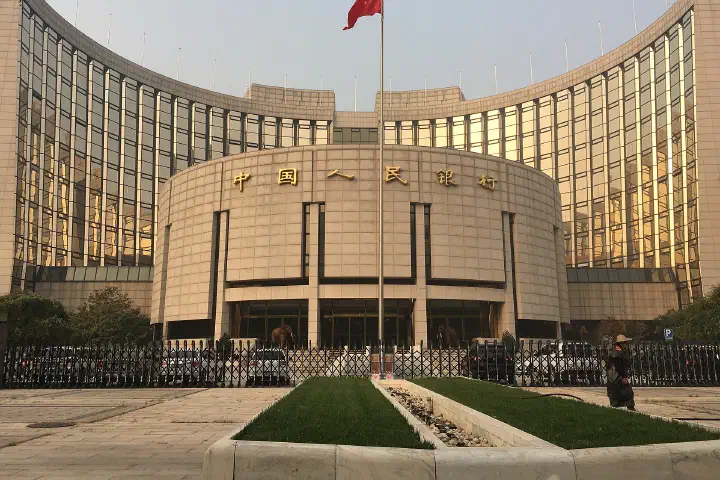
Beijing’s traditional macroeconomic playbook is failing to produce its customary magic. When the People’s Bank of China delivered a modest ten-basis-point reduction to its one-year loan prime rate, taking it to 3.55 per cent, the domestic financial response was utterly muted. In past cycles, marginal monetary easing ignited an immediate wave of municipal infrastructure borrowing and property development. Today, the credit transmission mechanism is jammed by debt saturation and profound balance-sheet reticence.
The Liquidity Trap with Chinese Characteristics
Chinese property developers are fighting for basic survival rather than expanding land banks, while local government financing vehicles (LGFVs) are constrained by unsustainable debt burdens. Households, scarred by unfinished apartments and property value declines, are hoarding cash and prepaying existing mortgages rather than taking on fresh obligations. Rate cuts cannot manufacture loan growth when the private sector is determined to de-lever.

Beijing is learning the limits of monetary alchemy: lowering the cost of credit is entirely useless when nobody possesses the appetite or capacity to borrow.
Write to The Lombard Review at contact@thelombardreview.com