Christmas: The boom that arrived late

Wall Street got an early present this holiday season: a delayed government report showing third-quarter gross domestic product growing at 4.3 per cent. The official figures and what shopkeepers were seeing on the high street did not match.
Old news, late
National accounts always look backwards, and a government shutdown stretched the lag until the numbers said little about the present. The 4.3 per cent figure captures the economy before import tariffs, hiring freezes and wider credit spreads had fully taken hold. Retailers reported careful shoppers over the holidays and a heavy reliance on instalment financing to shift goods.
Each of those pressures built up after the quarter ended. Tariffs on furniture, kitchen cabinets, lumber and heavy trucks, imposed under national-security powers, took effect in October and November. The shutdown froze pay for federal employees and contractors for six weeks. Credit markets were shaken in September by the collapse of the car-parts supplier First Brands and the subprime car lender Tricolor, which prompted banks and private credit funds to look harder at their loan books. None of this could appear in a report on July to September.
The reliance on instalment financing deserves more attention than it gets. Buy-now-pay-later loans, which typically split a purchase into four payments, have not been consistently reported to credit bureaus, so household debt statistics understate how much of the season's spending was borrowed. A shopper who pays for December's gifts in instalments is committing income from January and February, which pulls demand forward and leaves less room for spending early in the new year. Retailers that lean on such financing to clear stock are trading a better holiday quarter for a weaker start to the next one.
Two kinds of shopper
The holiday numbers that did arrive were mixed in a telling way. Online spending over the Thanksgiving weekend set records in dollar terms, but those figures are not adjusted for prices, and tariffs have raised the cost of many goods on shoppers' lists. Retailers serving wealthier customers reported steady demand, while chains that serve lower-income households described shoppers trading down, waiting for discounts and splitting purchases into instalments.
That divergence has a simple cause. Households with large holdings of shares have seen their wealth rise with the stock market over the past three years, and they spend part of those gains. Households that rely on wages alone have faced high prices for rent, food and insurance, slower hiring and, since the spring, the resumption of collections on defaulted student loans. Aggregate figures like GDP average the two groups together, which hides the strain at the lower end.
Budgets tell a different story
Executive committees setting their 2026 operating budgets are paying the GDP figure little attention. Their plans for next year are about cutting costs, trimming software spending and defending margins against swings in trade policy.
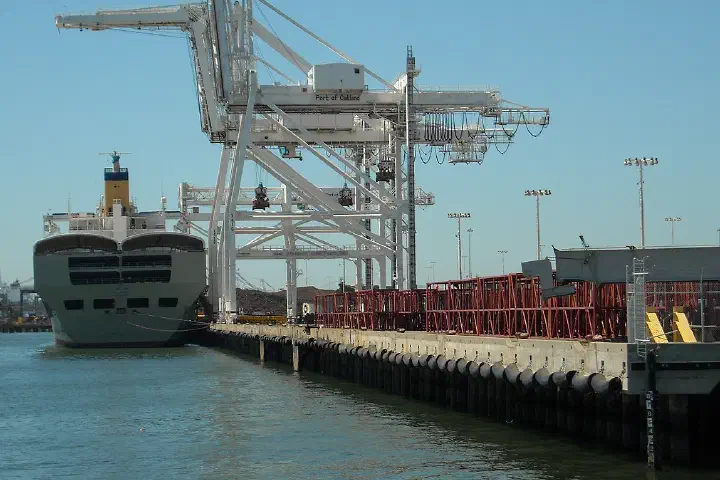
The budgeting process explains the caution. Finance teams build next year's plans in the autumn from their own order books, pricing and cost data rather than from national statistics, and those internal figures softened as the year went on. Large employers including Amazon and Target announced cuts to corporate staff in October, and many others have frozen hiring for back-office roles. Software is an easy target: companies are auditing subscriptions and cutting the number of licensed seats, betting that artificial intelligence tools can do some of the same work for less.
Trade policy adds a layer of uncertainty that no budget can resolve. The Supreme Court is considering whether the emergency tariffs are lawful, and a ruling could remove some duties, trigger refunds and prompt the administration to reimpose them under other laws. A company that cannot know its import costs for next year will plan conservatively, delay investment and hold more cash, which is exactly what corporate treasurers describe.
Booms that ended on schedule
Strong growth figures have misled before. In 2007 the third quarter was reported as one of the strongest in years, only weeks before the recession that the National Bureau of Economic Research later dated from December of that year. The lesson is not that a strong quarter predicts a downturn, since most do not, but that a single quarter's growth rate says little about turning points. Companies watching their own orders and margins often see a slowdown before the national accounts do.
The case for optimism
There is a respectable argument that the budget-cutters are too gloomy. Corporate profits held up well through the third quarter, and large listed companies mostly beat analysts' forecasts. The Federal Reserve has cut rates three times since September, the tax law passed in July will lift household refunds early next year, and investment in data centres shows no sign of slowing. Cautious budgets can themselves become the cause of weak growth, and if too many firms cut at once they may find demand stronger than they planned for and have to scramble to catch up.
That risk is real, but it is the smaller of the two. A company that budgets cautiously and finds demand stronger can hire and spend later at modest cost. One that budgets for a boom and meets a slowdown faces write-downs, layoffs and damaged margins. With the official data late, patchy and likely to be revised, caution is the rational response to uncertainty rather than a forecast of recession.
The signals that matter
Corporate treasurers will be watching their own sales data first, but the public signals that matter are the purchasing managers' surveys, weekly jobless claims and the fourth-quarter earnings season, when management teams give their first guidance for 2026. Companies' comments on pricing power and tariff costs will say more about next year than any revision to the third quarter.
The Christmas 2025 growth figure describes a boom that has already faded. Corporate treasurers are budgeting for a tougher 2026, and they are probably right to ignore the 4.3 per cent. Expect the first-quarter earnings calls in April and May to confirm that caution, with lower-income retailers and software vendors the first to report the slowdown.
Write to Arnav Goel at contact@thelombardreview.com
The Sunday Edition, in your inbox
India's economy, markets and money every Sunday, plus our analysis twice a week. Free.
Unsubscribe any time. See our Privacy Notice.


