How weak will Japan let the yen go?
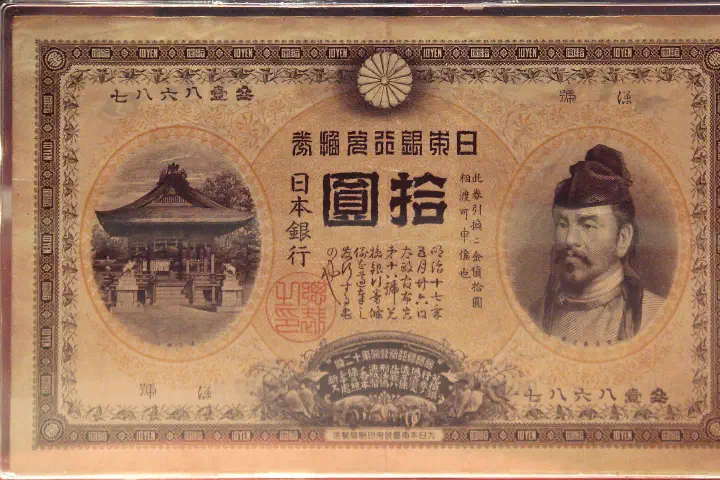
The yen has slid toward 147 to the dollar, and currency traders are on watch for the Ministry of Finance to intervene. Veterans of Tokyo's dealing rooms know that the authorities rarely defend a particular level. They step in to punish speculators when the yen falls too fast.
Last autumn's playbook
The template is recent. In September 2022, with the dollar above 145 yen, Tokyo bought yen for the first time since 1998, and it acted again in October after the currency slid toward 152. Those operations cost roughly ¥9 trillion and produced sharp but short-lived rallies. What turned the yen in the following months was a retreat in American Treasury yields and the Bank of Japan's decision in December to loosen its cap on long-term bond yields. In 1998 the Federal Reserve joined Japan in buying yen, whereas last year Tokyo acted alone, with Washington's acquiescence but none of its money.
Speed matters more than level
While the Bank of Japan keeps rates negative and the Federal Reserve holds them above five per cent, the gap in yields makes a weaker yen perfectly rational. Tokyo's warnings are meant to slow one-way bets and hurt the most aggressive short sellers. Reversing the trend is beyond them. Spending billions of dollars of reserves against a 500-basis-point rate gap would be a fool's errand.
Last year's episode shows what the ministry means by speed. The yen weakened from about 115 to the dollar in March 2022 to beyond 145 by late September, and the first intervention came on the day a dovish Bank of Japan meeting set off a sudden lurch lower. This year's slide has been more gradual, which is why officials have so far confined themselves to words.

The carry arithmetic explains why words alone cannot turn the currency. An investor who borrows yen at close to zero and holds dollar deposits or Treasury bills earns more than five percentage points a year, so the yen must rise by that much over twelve months before the trade loses money. Japanese pension funds and life insurers face the mirror image, because hedging dollar bonds back into yen costs roughly the interest gap. That pushes them either to hold dollars unhedged or to stay at home, and while the gap persists the path of least resistance for the yen is down.
How Tokyo signals
The warnings follow a familiar escalation. Officials first say they are watching markets with urgency, then that no option is ruled out, and finally they call dealers to check rates, a step that often comes shortly before real money is spent. Masato Kanda, the vice-minister who oversees currency policy, has been climbing that ladder in recent weeks. The operation itself is carried out by the Bank of Japan as agent of the ministry, which sells dollar assets from Japan's reserves of about $1.2 trillion and buys yen.
Where the dollars come from matters beyond Tokyo. Japan is the largest foreign holder of American Treasuries, and a sustained intervention campaign means running down deposits and selling bonds to raise the dollars it spends. Last autumn's operations coincided with a period of heavy selling pressure in the Treasury market. A fresh round now would land as the Treasury is increasing the size of its auctions and the Fed is shrinking its own holdings, adding one more seller to a market already short of natural buyers.
Coordination is off the table
History shows that interventions work best when several governments act together and when they lean in the same direction as monetary policy. The Plaza Accord of 1985 brought the big economies together to push the dollar down, and the yen rose sharply over the following two years. After the earthquake of March 2011, the G7 sold yen jointly to stop a disorderly surge. In both cases Tokyo had partners and a policy backdrop that supported the move.
Neither condition holds today. America has no reason to weaken the dollar while it is fighting inflation, and a stronger dollar makes its imports cheaper. The Bank of Japan, meanwhile, is still buying government bonds to hold yields down, even after it said in July that it would treat the 0.5 per cent ceiling on ten-year yields as a reference rather than a rigid limit and would step in only at 1 per cent. Selling dollars while the central bank keeps rates below zero is like bailing water while the tap runs.
Exporters gain, households pay
A weak yen has its beneficiaries. Exporters such as the big carmakers book overseas profits at a flattering exchange rate, and the Nikkei has this year reached its highest level since 1990. The cost falls on households and small firms that import energy and food priced in dollars, which is one reason consumer-price inflation has stayed above the Bank of Japan's 2 per cent target for more than a year. That squeeze on real incomes is what makes the government so sensitive to the speed of the yen's decline.
The strongest argument for intervention is that timing can make it effective. Last October's second operation, near 152, came close to the yen's low for the year, because American inflation and Treasury yields peaked soon afterwards. An intervention that coincides with a turn in the rate differential can amplify it and hurt speculators badly. Officials know this, which is why they prefer to act when American data give them a tailwind rather than into strong dollar momentum.
The trigger for a lasting turn lies with the central bank. Kazuo Ueda, the governor, said at the weekend that the bank may have enough evidence by the end of the year to judge whether wages are rising sustainably, which would open the way to ending negative rates, and the yen firmed on the remarks. Next spring's wage negotiations, and any narrowing of the rate gap as the Fed nears the end of its tightening, will matter far more than any statement from the finance ministry.
The Fed and the Bank of Japan both meet next week, and the 150 mark is widely seen as the level at which a rapid fall would draw action. Intervention can squeeze yen shorts hard for a day or two. The yen will keep weakening until the Bank of Japan ends negative rates, and no amount of reserve spending in Tokyo will change that; the most likely trigger for a lasting reversal is next spring's wage round, not anything the finance ministry does this autumn.
Write to Arnav Goel at contact@thelombardreview.com
The Sunday Edition, in your inbox
India's economy, markets and money every Sunday, plus our analysis twice a week. Free.
Unsubscribe any time. See our Privacy Notice.