Independence Day: Energy independence, tested

American crude output is running close to record highs, and total US petroleum stocks, including the Strategic Petroleum Reserve, still fell by 79 million barrels over the spring. On Independence Day the popular political promise of "energy independence" was tested hard by real events, and it did not look sturdy.
Half a century of a slogan
The phrase has a long pedigree. Richard Nixon launched Project Independence in November 1973, weeks into the Arab oil embargo, promising that America would meet its own energy needs by the end of the decade. It did not happen: imports kept rising, and the second oil shock of 1979 hit harder than the first. The slogan survived every administration since, and for the past decade it has seemed closer to reality than ever.
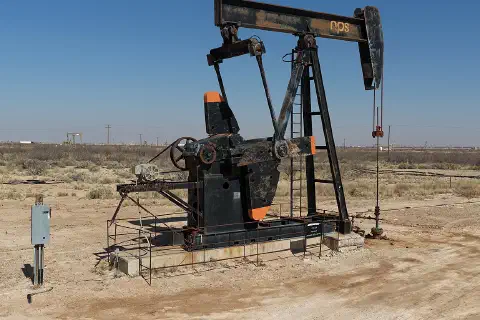
The shale revolution explains why. Horizontal drilling and hydraulic fracturing unlocked oil from tight rock formations in Texas, New Mexico and North Dakota, and American output climbed to levels once thought impossible. Congress lifted the ban on most crude exports in December 2015, and within a few years America had become a net exporter of petroleum on an annual basis. On paper, the country no longer depends on anyone else's oil.
Oil trades at the world price
The crisis has shown again that producing oil at home does not shield an economy from the world price. American fields pump more than thirteen million barrels a day, but that crude is priced off global benchmarks. With twenty million barrels a day cut off by the Hormuz blockade, American producers sell abroad to buyers paying a premium, and that drives up what domestic refiners pay for crude and what drivers pay for fuel, and by a lot.
The mechanism is ordinary arbitrage. A barrel produced in West Texas can be piped to the Gulf Coast and loaded onto a tanker for Europe or Asia. If buyers abroad pay more than domestic refiners, the oil goes abroad until the gap narrows to roughly the cost of shipping it. Domestic crude prices therefore track the world price minus transport, and domestic refiners, whose petrol and diesel can also be exported, price their products off world markets too. Only a ban on exports could break the link, and it would bring problems of its own.
Physical security, not price security
Energy independence has delivered something, however. In 1973 and 1979 Americans queued for petrol because supplies physically ran short and price controls stopped the market from clearing. Nothing of the sort has happened this time: the fuel is there, at a price. A country that produces most of what it consumes cannot be starved of oil, even if it cannot escape paying the going rate for it.
The national accounts also look different. When America imported most of its oil, a price spike was a straightforward transfer of income to foreign producers. As a net exporter, the country as a whole now gains from higher prices in aggregate: the extra revenue flows to American producers, their shareholders, their workers and the states that tax them. The damage is distributional rather than national. Drivers in the suburbs of Atlanta or Chicago pay more, while oil companies in Houston and landowners in the Permian Basin collect.
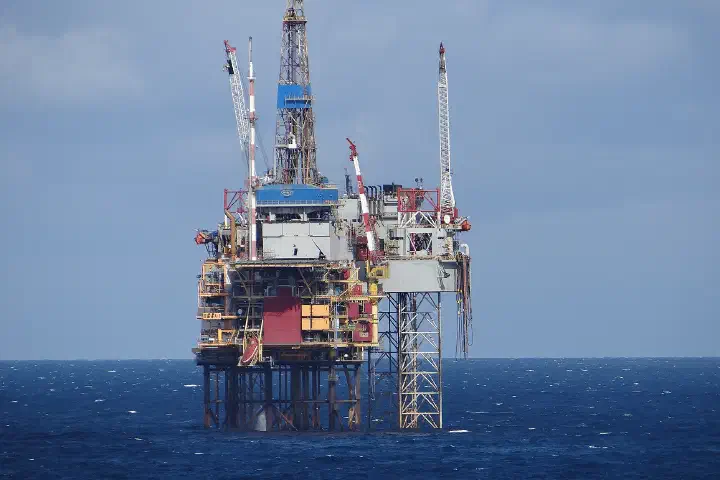
Natural gas tells the same story. America has become the world's largest exporter of liquefied natural gas, and with Qatari cargoes unable to leave the Gulf, buyers in Europe and Asia are competing hard for American supply. Export terminals running at full tilt pull domestic gas towards world prices too, within the limits of liquefaction capacity, so households heating their homes next winter may find that independence in gas offers no more price protection than independence in oil.
Why shale is slow to help
High prices should in principle bring forth more shale oil, but the response is sluggish. New wells take months to drill, complete and connect, so output reacts to today's prices only later in the year. Producers have also changed their habits. After years of heavy losses in the last decade, shareholders pressed them to return cash through dividends and buybacks rather than chase growth, and many firms are reluctant to add rigs for a price spike they expect to fade.
Refining is a second bottleneck. Much of American refining capacity was built to process heavier, sourer crude than the light oil that shale produces, which is why America still imports large volumes of heavy crude, chiefly from Canada, while exporting light crude. More shale output does not translate one for one into more petrol and diesel at home.
The reserve runs low
On top of that, taking 79 million barrels out of emergency stocks to hold down petrol prices has left the country's strategic reserves badly depleted. America cannot run an energy island of its own while the rest of the market is on fire. The Strategic Petroleum Reserve was created after the 1973 embargo precisely because domestic production could not be relied upon in a crisis, and it has now been drawn down in two successive emergencies without being fully refilled in between.
A depleted reserve matters for the next shock more than this one. Emergency releases work best when markets believe the government has ample stocks to deploy; the mere threat of a release can cap prices. With the reserve lower, that threat carries less weight, and traders will price future disruptions accordingly.
What would change the call
Two policy choices could alter the picture. Some politicians have called for restrictions on crude exports to keep domestic oil at home; that would lower domestic crude prices but punish producers and leave refiners short of the heavier crudes they need. A decision to refill the reserve aggressively once prices ease would restore the buffer but add to demand in the short run. The weekly rig counts and the Energy Information Administration's production data will show how fast shale is responding in the meantime.
Record shale output has not protected American drivers from the Hormuz shock, and with the reserve drawn down, the next supply disruption will probably reach the pump faster in 2026 than this one did. Energy independence has turned out to mean that Texas gets richer when the Gulf burns, while drivers everywhere else still pay the world price.
Write to Arnav Goel at contact@thelombardreview.com
The Sunday Edition, in your inbox
India's economy, markets and money every Sunday, plus our analysis twice a week. Free.
Unsubscribe any time. See our Privacy Notice.