Oil fell. The Fed's problem didn't
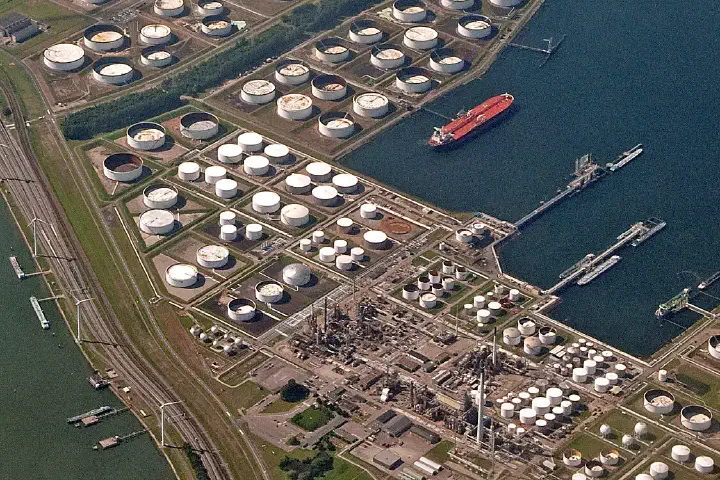
Oil fell by more than 7 per cent on Monday, its sharpest one-day drop in months, after Tehran said contacts with Washington aimed at ending the eight-month conflict were continuing. By Tuesday's close the ten-year Treasury yield stood at 4.95 per cent, according to the Treasury, down from 5.31 per cent a month earlier. For anyone who has spent the autumn watching petrol prices and bond yields rise together, it looked like relief.
It is relief for the headline inflation figure. It is less clear that it helps the Federal Reserve. The argument that split the central bank last week was about more than fuel, and the numbers published the day after its meeting suggest that the harder part of the problem has nothing to do with oil.
A hold with two dissents
On October 28 the Fed kept its target range at 3.75 to 4 per cent. The vote was 10 to 2. Lisa Cook, a governor, and Beth Hammack, president of the Cleveland Fed, wanted to raise rates by a quarter of a point. It is unusual for a central bank to hold and be challenged only from the side that wants tighter money, and Kevin Warsh, the chairman, was pressed on it at once. Colby Smith of the New York Times told him there had been essentially no progress towards the 2 per cent target and asked why the committee did not simply raise rates that day.
His answer was that "quashing inflation is not about some fixed individual date on a calendar". He called the coming weeks "information rich" and said more data would help the committee decide. He also noted that financial conditions had tightened since the Fed's September rise, though "I'm unwilling and unable to call them tight". He declined to say what would happen in December, repeating that he does not believe in forward guidance. Markets have reached their own view. CME's FedWatch tool put the chance of a December rise at about 85 per cent the day after the meeting, according to Mitrade.
What Thursday's numbers said
The Commerce Department reported on October 29 that the economy grew at an annual rate of 3.4 per cent in the third quarter, up from 2.2 per cent in the second. The more telling figure was further down the release. Final sales to private domestic purchasers, which strip out trade, inventories and government to show what households and firms actually bought, rose 4.9 per cent. That is demand running well above any plausible estimate of the economy's capacity to grow.
The same day's inflation report gave each side something. Over the quarter as a whole, the Fed's preferred price index rose at an annual rate of 2.1 per cent, down from 5.0 per cent in the second quarter, and core prices, which exclude food and energy, rose at 2.5 per cent, down from 3.3 per cent. Those are the best numbers the doves have. But the quarter ended badly. In September alone the headline index rose 0.5 per cent and the core index 0.3 per cent, leaving them 3.6 and 3.1 per cent higher than a year earlier. Core inflation of 0.3 per cent a month, repeated for a year, would be well over 3.5 per cent.
Why cheaper oil does not settle it
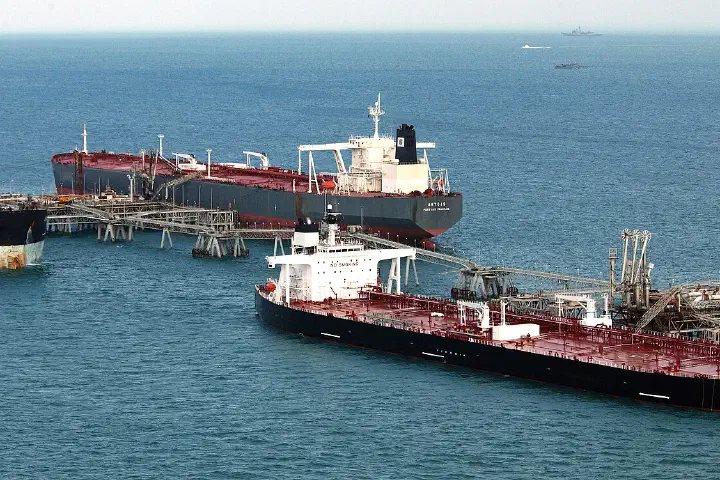
If inflation were only an oil story, Monday's fall would go a long way towards ending the debate. Mr Warsh has framed the risk as one of relative price changes in some sectors spreading across the economy, and cheaper crude would shrink the thing that might spread.
But falling oil also works in the other direction. Households have been paying for fuel by giving up other things. Consumer spending rose 0.5 per cent in September in cash terms, yet after adjusting for prices it was almost flat, up by less than 0.1 per cent. Personal saving was only 3.8 per cent of disposable income. If petrol gets cheaper, that money does not vanish. Much of it will go on other goods and services, in an economy where private demand is already growing at nearly 5 per cent. A peace deal would lower measured inflation in the near term and could raise underlying demand at the same time. That would leave a hawk like Ms Hammack with a weaker headline number and much the same argument.
This time the bond market agrees with the oil story
Last month this paper noted that the first leg of the Treasury rally had come almost entirely from real yields, and that oil could not explain it. The latest leg is different. Between October 28 and November 3 the ten-year yield fell by 10 basis points, from 5.05 to 4.95 per cent, while the ten-year real yield on inflation-protected Treasuries fell only 2 points, from 2.67 to 2.65 per cent. The rest came from the breakeven rate, the market's rough guide to expected inflation, which dropped from 2.38 to 2.30 per cent. Investors have marked down inflation, as a fall in oil would suggest. They have not marked down much else.
Short-term yields tell the same story. The two-year yield has eased, from 4.81 per cent on October 21 to 4.61 per cent on Tuesday. But it is still more than half a point above the top of the Fed's target range, which is what a market expecting higher rates looks like.
What to watch
Mr Warsh said the period ahead is rich in information, and it is. The October jobs report is due on November 6 and consumer prices on November 10, according to market calendars, before the committee meets on December 8 and 9. The politics are crowded too. Americans voted in the midterm elections on Tuesday, and a reporter at the press conference raised a White House hearing this week on allegations against Ms Cook, one of the two dissenters. Mr Warsh said that to his knowledge the Fed would not be involved, and he has said politics played no part in the decision.
The Iran talks remain the largest unknown, and the Fed cannot do anything about them. The questions for December are narrower. If oil stays down, does core inflation follow, or does it hold at 0.3 per cent a month while households spend what they save at the pump? The first outcome would make Mr Warsh's patience look wise. The second would mean that Ms Cook and Ms Hammack were simply early.
Write to Arnav Goel at contact@thelombardreview.com
The Sunday Edition, in your inbox
India's economy, markets and money every Sunday, plus our analysis twice a week. Free.
Unsubscribe any time. See our Privacy Notice.