Poorer by the hour, richer by the payroll
American employers added 165,000 jobs in October, the Bureau of Labor Statistics reported on Friday. Economists had expected about 62,000, and the figure beat all 79 forecasts in Bloomberg's survey. Hiring in August and September was revised up by a combined 84,000. The unemployment rate fell to 4.1 per cent from 4.2 per cent, even though 421,000 people joined the labour force. On Tuesday morning the government publishes consumer prices for October, and the two releases need to be read together, because they tell a story that looks contradictory and is not.
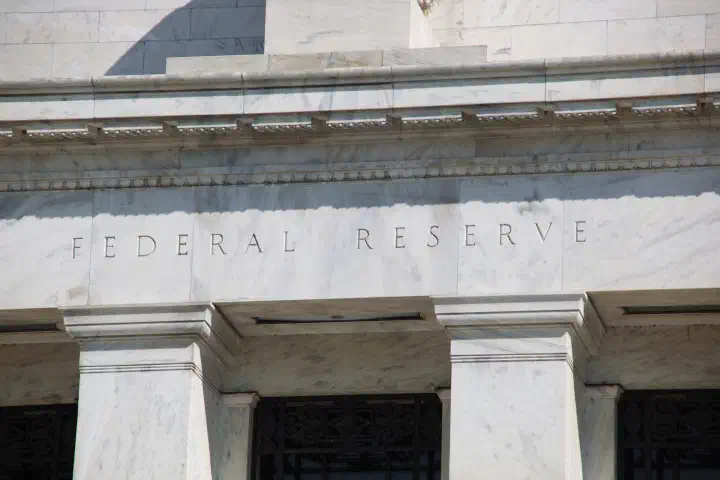
The contradiction is this. American workers are, on average, getting poorer by the hour. Average hourly earnings rose 3.1 per cent in the year to October. Consumer prices rose 3.7 per cent in the year to September, the latest figure available. After inflation, the Associated Press noted, hourly pay fell 0.7 per cent in September, the sixth straight month of decline on that measure. Voters said as much on Tuesday, when they handed both houses of Congress to the Democrats. Yet the Federal Reserve, which is supposed to worry about weak demand as well as high prices, is more likely to raise interest rates in December after this report than before it.
Paychecks and payrolls
The answer lies in the difference between a wage and a wage bill. A household's spending depends not only on what each worker earns per hour but on how many people in it are working and for how many hours. On that measure the picture is different. Total take-home pay of private-sector workers, which multiplies jobs by hours by pay, rose 0.47 per cent in October and 4.46 per cent from a year earlier, the fastest since January, according to an analysis of the report on TheStreet. That is still only about 0.7 per cent ahead of inflation, but it is ahead.
So the economy is generating more income in total even as each hour of work buys less. More people are working, which offsets thinner pay per hour. The household survey, a separate and noisier count, showed 463,000 more people in work in October, its third large gain in a row. Over the past three months payrolls have risen by an average of 137,000, against 48,000 a month over the previous 12.
For the Fed, aggregate income is what matters. Spending is financed by total pay, not by the average hourly rate, and spending is what pushes prices up. An economy in which real wages per hour are falling but employment is rising can keep demand strong enough to sustain inflation. That is consistent with the economy the Fed described on October 28, when it upgraded its assessment of growth and two of its officials voted to raise rates rather than hold them.

The cracks in the report
The report was not uniformly strong. The number of people working part time because they could not find full-time work jumped by 339,000, pushing the broadest measure of underemployment up to 7.9 per cent from 7.6 per cent. The median spell of unemployment was the longest since November 2021. Hotels, restaurants and bars cut 10,600 jobs, which is what one would expect when customers are squeezed. Economists have described a "low-fire, low-hire" market in which those with jobs keep them and those without struggle to find one.
It is also true that America needs fewer new jobs than it used to. Retirements and lower immigration mean slower growth in the number of people looking for work, so a smaller monthly gain is enough to stop unemployment rising. That makes 165,000 more impressive, not less.
What Tuesday has to show
Economists expect consumer prices to have risen 0.3 per cent in October, after 0.6 per cent in September, leaving the annual rate around 3.7 per cent. Core prices, which exclude food and energy, are expected to rise 0.2 per cent. Oil fell sharply last week, but most of that came in November and will not appear until next month's figures.
After Friday's report, market pricing put the chance of a rate rise at the Fed's meeting on December 8 and 9 at between 74 and 80 per cent. A soft inflation figure on Tuesday would lower those odds, but probably not by much, because the jobs data have removed the Fed's main reason to wait. A strong one would make the rise close to certain.
The uncomfortable conclusion is that the Fed may tighten into an economy where most workers feel poorer. That is not a paradox. Rising employment with falling real hourly pay is what an inflationary economy looks like from the inside: there is enough demand to hire, not enough productivity to pay more per hour, and prices absorb the difference. Raising rates will not make paychecks bigger. It is meant to stop prices running further ahead of them.
Write to Arnav Goel at contact@thelombardreview.com
The Sunday Edition, in your inbox
India's economy, markets and money every Sunday, plus our analysis twice a week. Free.
Unsubscribe any time. See our Privacy Notice.