The port strike that could hit Christmas

Some 45,000 members of the International Longshoremen’s Association (ILA) walked out, closing thirty-six container ports along the US East and Gulf Coasts. Those terminals handle half of America’s containerised imports, and retailers and manufacturers felt it at once. The timing is poor, since holiday stock should be moving through the ports now.
How the talks broke down
The strike began in the early hours of Tuesday, after the union's master contract with the United States Maritime Alliance, the employers' group representing carriers and terminal operators, expired at the end of September. The two sides had not held serious talks for months. The union wants a large pay rise, arguing that its members kept cargo moving through the pandemic while shipping lines booked record profits, and it wants firm limits on automated cranes and gates at the terminals.
The automation dispute is the harder one to settle. Pay can be split down the middle; a ban on labour-saving equipment either exists or it does not. Employers argue that American ports lag their Asian and European rivals in productivity and cannot modernise without automation. The union sees each automated terminal as a permanent loss of jobs, and it is the job guarantees, more than the pay cheque, that make this dispute difficult to close quickly.
One day shut, five to clear
Every day the docks stay closed takes up to five days to clear. Ships wait at anchor with billions of dollars of farm produce and retail goods on board, some of it perishable. Ocean carriers have already added port disruption surcharges, and supply-chain managers are hunting for air freight. A long strike could push goods inflation back up just as central banks are congratulating themselves on price stability.
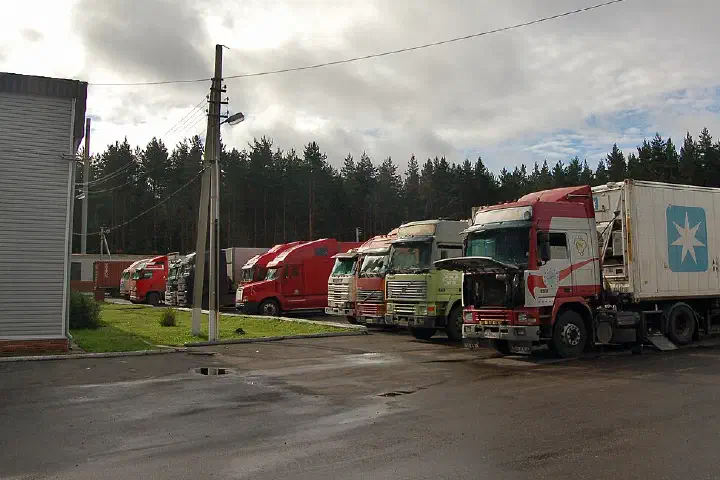
The arithmetic of a backlog is unforgiving. Ships keep arriving on schedules set weeks ago in Asia and Europe, so every idle day adds vessels to the queue. When the gates reopen, terminals must unload the ships at anchor, find chassis and trucks for the boxes, and clear yards that were already full. Rail links inland face the same bunching. The lost capacity is never fully recovered; it is spread out over the weeks that follow.
The ports involved include New York and New Jersey, Savannah, Houston, Charleston, Norfolk and Baltimore, which between them serve most of the population east of the Mississippi. Their cargo is not all consumer goods. Car parts, chemicals, pharmaceuticals and machinery components pass through the same terminals, and a factory missing one part can stop a whole line.
What the precedents suggest
The last coastwide strike by the union was in 1977. A closer guide may be the West Coast in 2002, when employers locked out dockworkers for ten days. The Bush administration invoked the Taft-Hartley Act to reopen the ports, and the backlog of ships took weeks to work through. Retailers complained of shortages well into the autumn, and carriers used the disruption to reorganise their schedules.
The White House has so far signalled that it will not use Taft-Hartley to order the dockworkers back, which leaves the pressure on the two sides to settle. With a presidential election five weeks away, the political cost of empty shelves and rotting produce rises each day, and that alone makes a long stoppage less likely than the union's opening demands might imply.
Who is exposed
Not everyone was caught unprepared. Many large retailers pulled imports forward over the summer, anticipating a strike, and some shifted cargo to West Coast ports, where a separate union contract is in force. Big chains with deep inventories and diverse routings can ride out a stoppage of a week or two. Smaller importers, which lack warehouse space and bargaining power with carriers, are more exposed, as are exporters of farm goods whose buyers abroad will not wait.
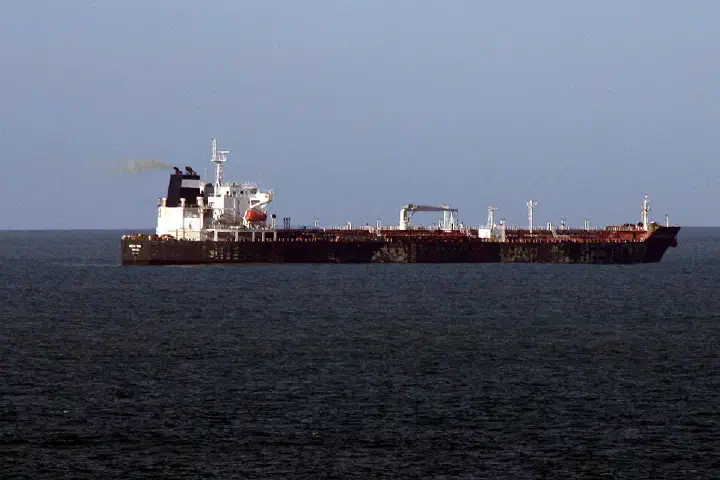
Perishable goods are the most urgent problem. Much of the fruit consumed in the eastern half of the country arrives through Gulf and East Coast ports, and refrigerated containers cannot sit on ships for long. Shipping lines, by contrast, stand to gain from surcharges and from the rise in spot freight rates that any bottleneck produces. Rates had already been lifted this year by the diversion of ships away from the Red Sea.
Why the price effect may be muted
The case against alarm is that freight is a small part of the final price of most goods. A shipping container may carry thousands of items, so even a steep rise in the cost of moving it adds little to the price of each one. Goods inflation has been close to zero for much of this year, so there is room for a modest increase before it shows up in the headline figures. Central banks also tend to look through temporary supply shocks when setting rates.
That argument holds for a short strike and fails for a long one. The damage from a stoppage of several weeks comes less from freight costs than from shortages, which let retailers cut discounting in the busiest season of the year. The pandemic showed how quickly bottlenecks turn into price rises when demand is steady and supply is not.
Signals worth watching
The first sign of a thaw would be a return to the table, most likely under federal mediators, and any hint that the employers will concede ground on automation. Beyond the talks, the count of container ships waiting off the major ports gives a daily reading of the backlog, and spot freight rates on transpacific routes to the West Coast will show how much cargo is being rerouted. Retailers' comments on holiday inventories, due with results over the coming weeks, will reveal how much of the season's stock was already on land before the gates shut.
A short stoppage is an expensive nuisance. A long one would show up in holiday shelf prices and in the next inflation readings, because just-in-time supply chains still have no slack when the docks close. The likeliest outcome is a settlement within a couple of weeks, followed by a backlog that lasts into November and a small, temporary lift to goods prices that the Fed will choose to ignore.
Write to Arnav Goel at contact@thelombardreview.com
The Sunday Edition, in your inbox
India's economy, markets and money every Sunday, plus our analysis twice a week. Free.
Unsubscribe any time. See our Privacy Notice.