Europe settles for 15%

After weeks of tense talks, the European Union agreed a trade arrangement with Washington. It accepts a 15 per cent tariff on all European exports and pledges $750 billion over the long term for purchases of American liquefied natural gas and farm products.
How Brussels got here
The European Commission negotiates trade for all member states, and it spent the spring trying to secure a zero-for-zero deal on industrial goods. Washington was not interested. In April European exports were hit with the 10 per cent baseline, cars with 25 per cent and steel and aluminium with rates that later rose to 50 per cent. Earlier this month a letter threatened a much higher rate from 1 August. Ursula von der Leyen flew to meet the president in Scotland at the weekend and came back with the 15 per cent deal.
Relief, on lopsided terms
Frankfurt and Paris greeted the deal with relief, mostly because it avoided the 25 per cent levy that threatened to gut German carmaking and engineering. The terms are lopsided all the same. A permanent 15 per cent tariff makes European goods less competitive in their largest foreign market. And a commitment to buy three-quarters of a trillion dollars of energy, priced in dollars, ties Europe to American shale gas for years to come.
The asymmetry goes beyond the rate. The EU has promised to cut its own tariffs on many American industrial goods, while its steel and aluminium still face 50 per cent. Alongside the energy purchases, European companies are said to intend $600 billion of investment in America. Brussels secured little in return beyond the removal of the worst-case threat, and the reaction in European capitals reflected that. Berlin welcomed the end of uncertainty for its carmakers, while French ministers were openly critical.
The energy pledge in practice
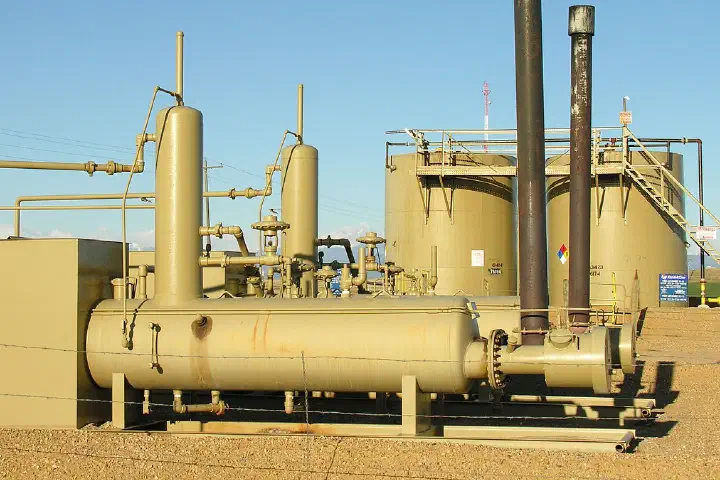
The energy commitment is the part most likely to disappoint. Europe replaced much of its Russian pipeline gas with liquefied natural gas after the invasion of Ukraine in 2022, and America has since become its largest LNG supplier. Buying more is plausible. Buying on the scale implied by the pledge is far beyond what Europe currently takes from America, and the Commission does not buy gas itself; private utilities and traders do, on commercial terms. The pledge is best read as a statement of intent that the Commission cannot enforce.
Where it does bite, it shifts the terms of trade. American LNG is priced off Henry Hub plus the costs of liquefaction, shipping and regasification, which makes it dearer than pipeline gas used to be. Industries that burn gas, such as chemicals, fertilisers and glass, already pay more than their American competitors. A deal that steers Europe towards imported LNG entrenches that disadvantage.
A shrug from the euro
The euro rose a little against the dollar after the announcement, and without much conviction. Traders were glad that the risk of the talks collapsing had gone, but they could also see that Europe's terms of trade had taken another lasting knock.
The currency had already done a lot of work this year. The euro rose strongly against the dollar in the first half as investors reassessed American policy and Germany loosened its debt brake to fund defence and infrastructure. The European Central Bank, which has cut its deposit rate to 2 per cent, held rates at its July meeting. A 15 per cent tariff weighs on European growth at the margin, which gives the ECB a reason to cut again later in the year, and that would cap how far the euro can climb.
Winners and losers
German carmakers gain most in relative terms, since 15 per cent is far better than the rate they faced from April. BMW and Mercedes-Benz, which build cars in South Carolina and Alabama and export some of them, are better protected still. Smaller engineering firms, which sell specialised machinery and cannot move production across the Atlantic, carry the tariff in full. Luxury brands from France and Italy can pass much of the cost to wealthy buyers. American LNG exporters and farm states are the clearest winners on the other side, if the purchases materialise.
Precedent from 1971
The closest parallel is the Nixon shock of August 1971, when Washington imposed a 10 per cent surcharge on imports to force its allies to revalue their currencies. The surcharge was lifted within months under the Smithsonian agreement, once Europe and Japan had given ground. The difference now is that the tariff is presented as permanent, and the price paid by the allies is purchases and investment rather than currency moves. The 1971 episode suggests that allies do concede under such pressure. It does not suggest that the concessions are cheap.
The case against
The counterargument is that 15 per cent, applied to all trade partners in similar measure, changes relative competitiveness less than it seems. Japan accepted the same rate a week ago, and Europe's exporters compete with Japanese and Korean firms as much as with American ones. A uniform tariff is partly a tax on American consumers rather than a pure penalty on Europe. That is fair, and it explains the relief. It does not change the fact that European firms have lost ground to American producers in their biggest export market, and that the terms can be reopened at Washington's discretion.
The things to watch are the legal text, which has not yet been agreed, the treatment of pharmaceuticals and semiconductors, where separate American tariffs are pending, and the monthly LNG import figures. The ECB's September meeting will show how much weight it gives to the tariff drag, and its staff forecasts will put a first official number on the cost to growth.
Europe has avoided an industrial disaster for now at the cost of dearer American energy and a permanent 15 per cent toll on its exports, and European manufacturers will be paying for both long after the relief fades. Expect German industrial output and French political opposition to be the first casualties, and expect the energy numbers to fall well short of the pledge.
Write to Arnav Goel at contact@thelombardreview.com
The Sunday Edition, in your inbox
India's economy, markets and money every Sunday, plus our analysis twice a week. Free.
Unsubscribe any time. See our Privacy Notice.